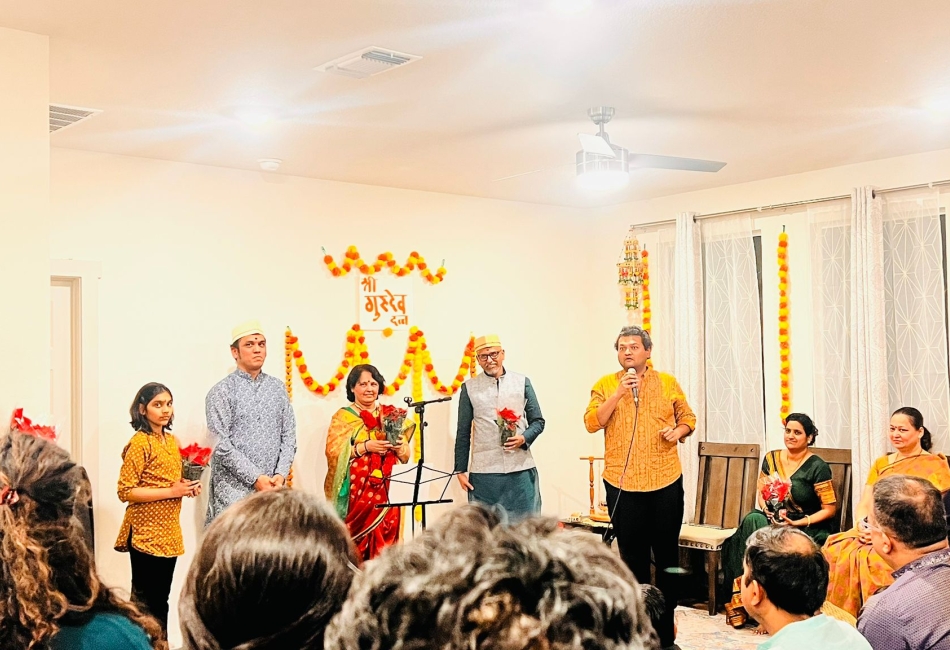
Sanket Patole serves as a Senior Analyst of Human Capital Management at Centra. His role focuses on Reporting and Analytics specifically related to Human Resources data. We asked him to share more about his role in workforce analytics, his pursuit of a PhD in Human Resource Development and the upcoming Hindu festival of lights, Diwali, that he celebrates every year with his family.
Can you tell us about your journey into Centra and what led you to join the organization?
My journey into Centra was driven by a desire to connect data with purpose. With a background in analytics and HR, I was drawn to Centra’s mission to improve the health and quality of life for the communities we serve. Joining Centra allowed me to apply my technical expertise in workforce analytics to a field where the impact is deeply human, supporting Caregivers and ultimately patient care.
How has your academic work influenced your perspective as an employee of Centra?
My research has been focused on human-AI collaboration, ethics and equity in digitally mediated teams and the future of work. This academic lens shapes how I approach analytics at Centra. I do not just look at numbers; I ask what they mean for people, culture and inclusion. The balance of rigor from academia and the practical needs of healthcare allows me to bring fresh insights into how Centra can strengthen workforce planning and development.
What have been some of the most meaningful moments in your time at Centra so far?
Some of the most meaningful moments have come from working on projects that directly support our frontline teams. For example, building analytics to highlight staffing trends and turnover challenges has helped leaders make informed decisions that improve both employee experience and patient outcomes. Knowing that my work translates into tangible support for Caregivers makes it especially rewarding.
For readers who may not be familiar, how would you describe the significance of Diwali?
Diwali, often called the Festival of Lights, celebrates the triumph of light over darkness and good over evil. It is both a religious and cultural celebration that signifies new beginnings, renewal and the power of hope. Beyond the lights and festivities, it is a time to pause, reflect and recommit to values of kindness, resilience and community.
What traditions or customs are most meaningful to you during this celebration?
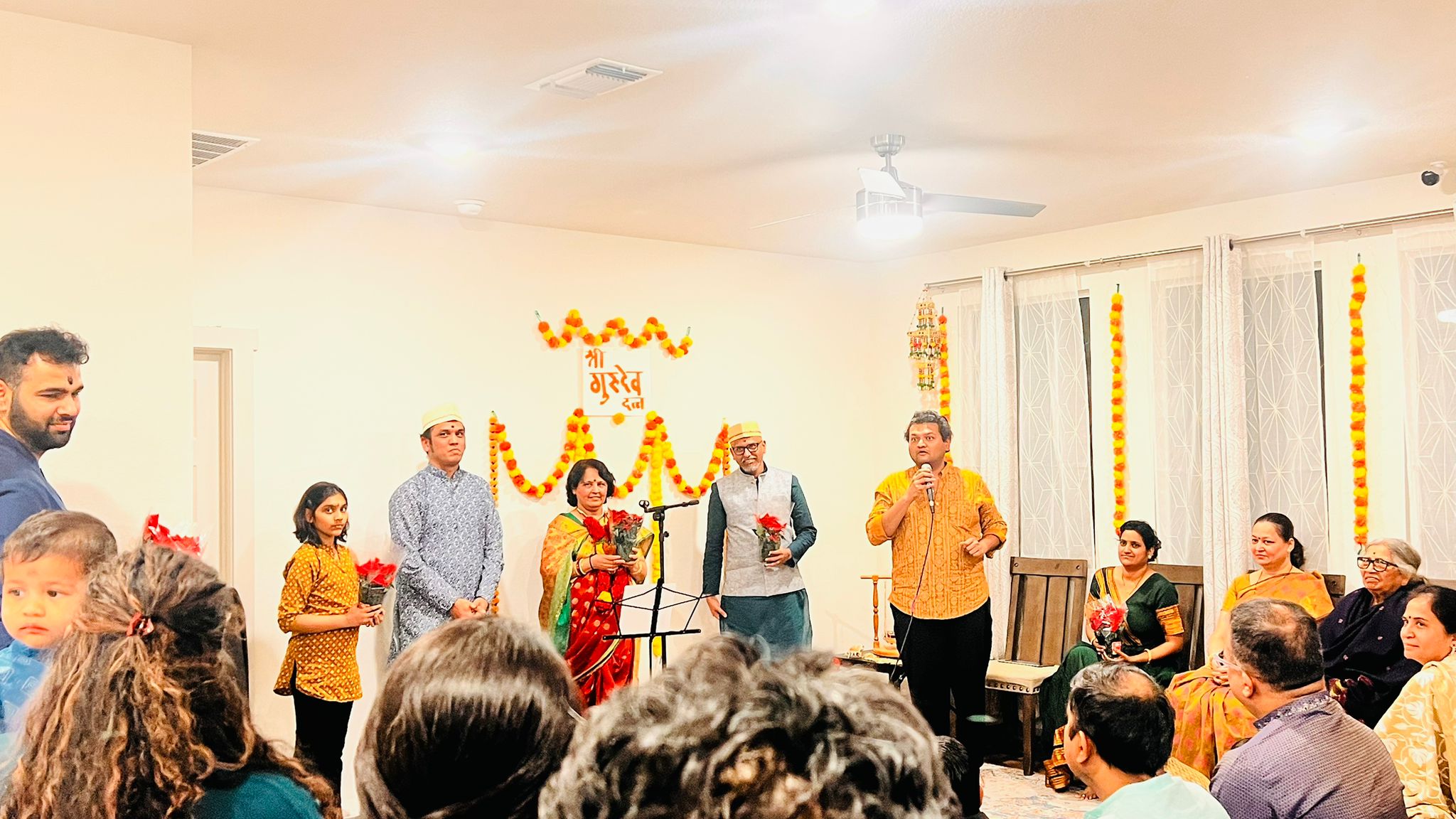
Lighting diyas (small lamps) and decorating the home with rangoli designs are traditions that I cherish as they symbolize spreading light and positivity. Sharing sweets with family and friends is another favorite, because Diwali is also about connection, hospitality and gratitude.
My family and I celebrate by gathering, cooking traditional foods and creating a warm, festive environment. We also take time for prayers and reflection, focusing on gratitude and renewal for the year ahead. For me, celebrating Diwali away from my homeland means blending tradition with new practices, like sharing the festival with colleagues and friends here in the U.S. who belong to diverse backgrounds.
You are also a classically trained singer, can you share a bit about that part of your journey and how it’s shaped you as a person?
Yes, I trained in Indian (Hindustani) classical music from a young age, and it remains an important part of my life. Music taught me discipline, patience and creativity, qualities that have shaped both my personal and professional journey. Performing music instilled confidence in connecting with audiences while the practice of learning and improvising parallels how I approach problem-solving at work. In many ways, music keeps me grounded and balanced, especially alongside the demands of research and analytics.