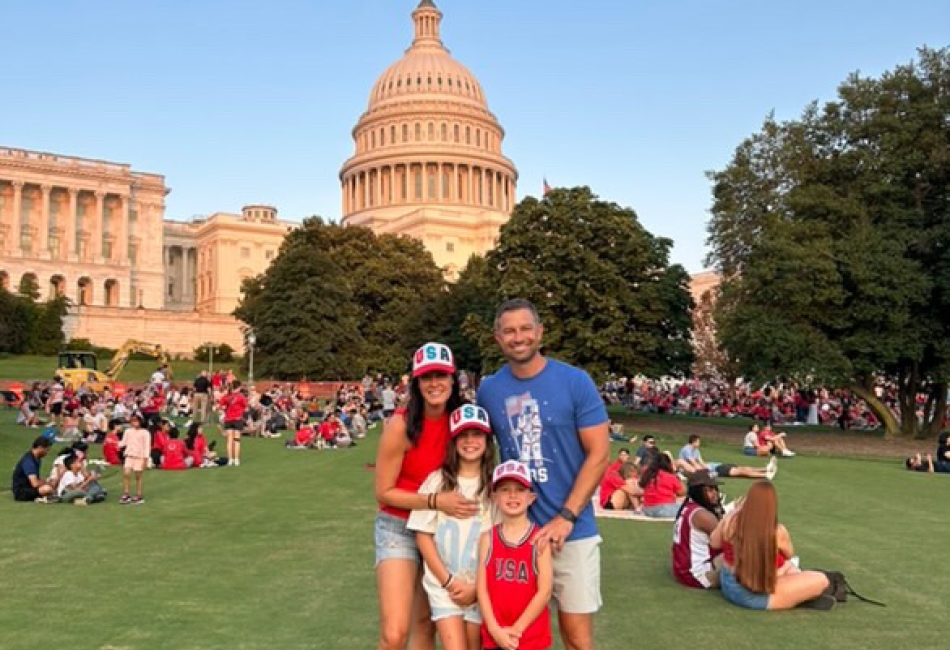
When it comes to breast cancer, the path from diagnosis to healing is rarely linear. For Erin Hagen, the journey began like it does for so many others with a routine screening mammogram and a result she never anticipated. The diagnosis of ductal carcinoma in situ (DCIS) brought with it medical terms and decisions that would shape the next chapter of her life.
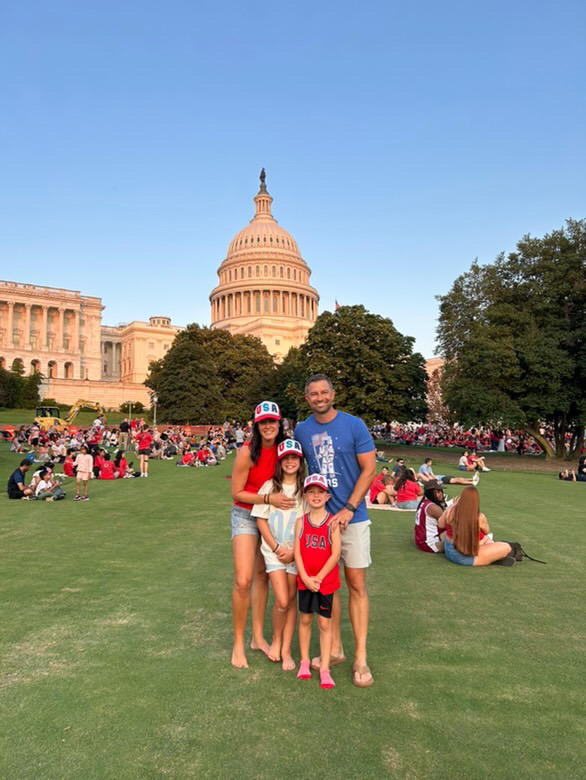
With two young children at home and no family history or genetic markers for breast cancer, Erin’s diagnosis was a shock. Yet it was the consistency of her annual screenings that made early detection possible, a reminder that showing up for routine mammograms starting at age 40, or earlier for those at higher risk, can be life changing.
“Even in cases like Erin’s, where prior mammograms were clear, regular screening remains one of our most powerful tools,” says Dr. Canzoneri, one of Centra’s plastic and reconstructive surgeons. “DCIS can often be treated before it becomes invasive, but only if we find it early.”
The next step was deciding how to move forward. Erin met with both her general surgeon and Dr. Canzoneri to explore surgical and reconstructive options. Should she undergo a bilateral mastectomy? Would reconstruction feel right for her body, her timeline and her peace of mind?
She also had to consider the logistics of caring for her family during recovery and the emotional burden of learning a new vocabulary overnight that included “margins,” “expanders,” “fills” and “implants.”
The Women’s Health and Cancer Rights Act of 1998 established breast reconstruction as a federally protected right for patients who undergo mastectomy, including procedures on the opposite breast for symmetry. Because of this, group health plans and individual health insurance policies that cover mastectomies must also cover reconstruction. However, it remains an elective, deeply personal decision that looks different for every individual. Some choose immediate reconstruction during their mastectomy. Others wait until they’ve completed other treatments or simply feel ready.
At Centra Plastic and Reconstructive Surgery, the care team works closely with each patient to outline risks, benefits and the best options based on factors like body type, imaging results and the potential need for radiation.
For many, the journey involves implant-based reconstruction, a staged process that begins with the placement of tissue expanders during surgery. These expanders are gradually filled over several weeks in the clinic, creating space for final implants. This phased approach allows for ongoing adjustments and fosters close collaboration between the patient and care team.
“Those follow-up visits are so much more than technical appointments,” says Dr. Canzoneri. “They’re opportunities to check in on healing, manage pain, answer questions and offer reassurance at every step.”
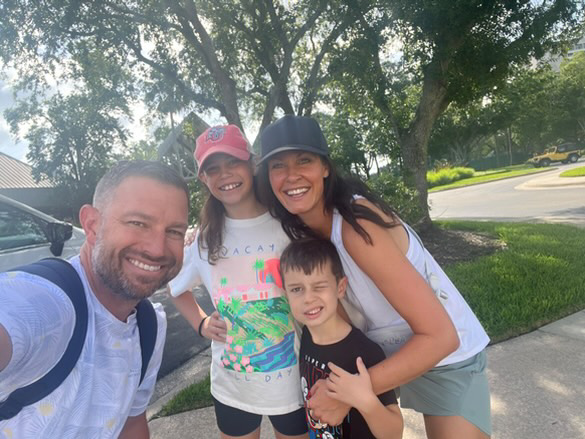
Throughout her journey, Erin credits much of her confidence to the support she received from her nurse navigator and the Centra reconstructive team. Though she met with specialists outside the health system, she chose to stay local and receive her care from Centra. The proximity and accessibility made it easier to manage frequent appointments, ask questions and receive guidance on everything from drain care to physical activity.
“Having a team that was always available, who I trusted to answer every ‘Is this normal?’ question, made the entireprocess less overwhelming,” Erin shared.
The path from diagnosis to reconstruction is highly individualized and the most powerful tool any patient can bringinto that process is knowledge. Dr. Canzoneri and her team encourage patients to:
- Bring a support person to consultations.
- Take notes and ask every question, no matter how small.
- Discuss concerns about sensation, scarring, activity levels and insurance coverage openly.
“Ultimately, this is about helping patients move forward through surgery and on into the next chapter of their lives,”expressed Dr. Canzoneri.