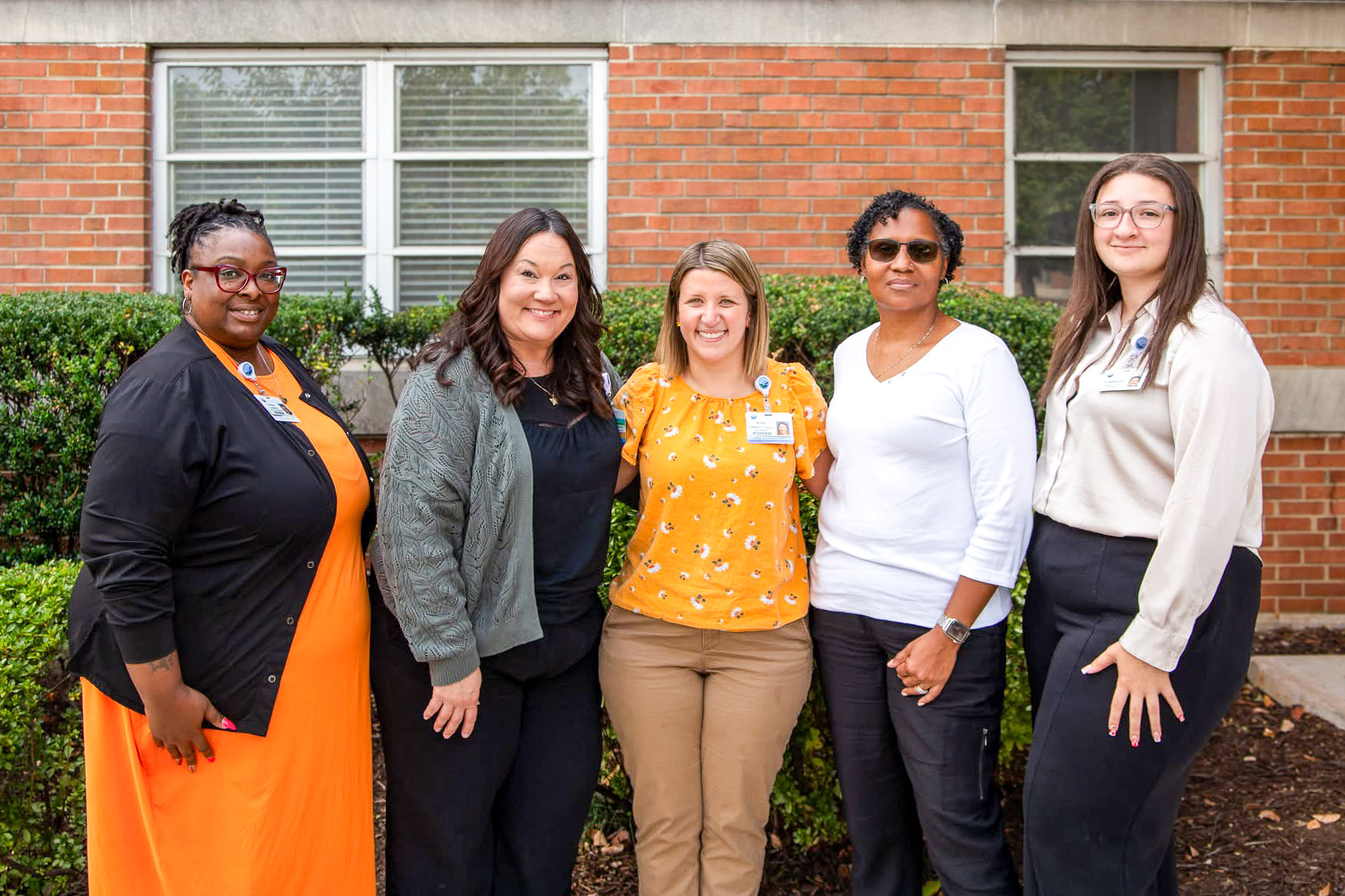
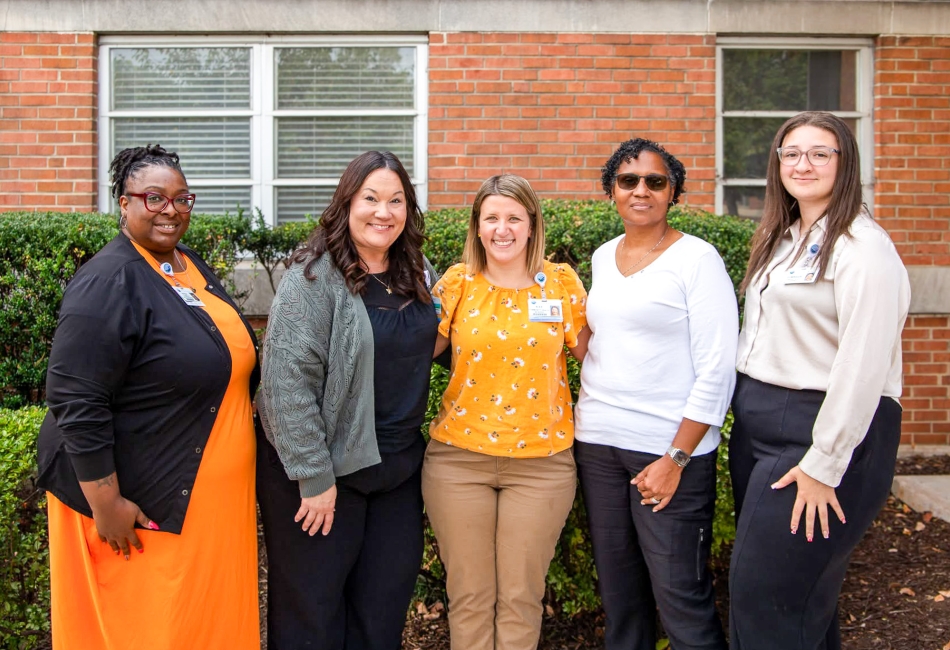
Community health workers (CHWs) play a vital role in connecting individuals and families to the resources they need to live healthier, more stable lives. At Centra, CHWs serve as trusted liaisons between healthcare providers and the communities they support, addressing barriers such as transportation, food insecurity, housing and access to care. Through education, advocacy and hands-on assistance, these Caregivers help patients navigate complex systems while promoting wellness and preventive care. In the following profiles, meet Centra’s CHWs and learn how they’re making a tangible difference.
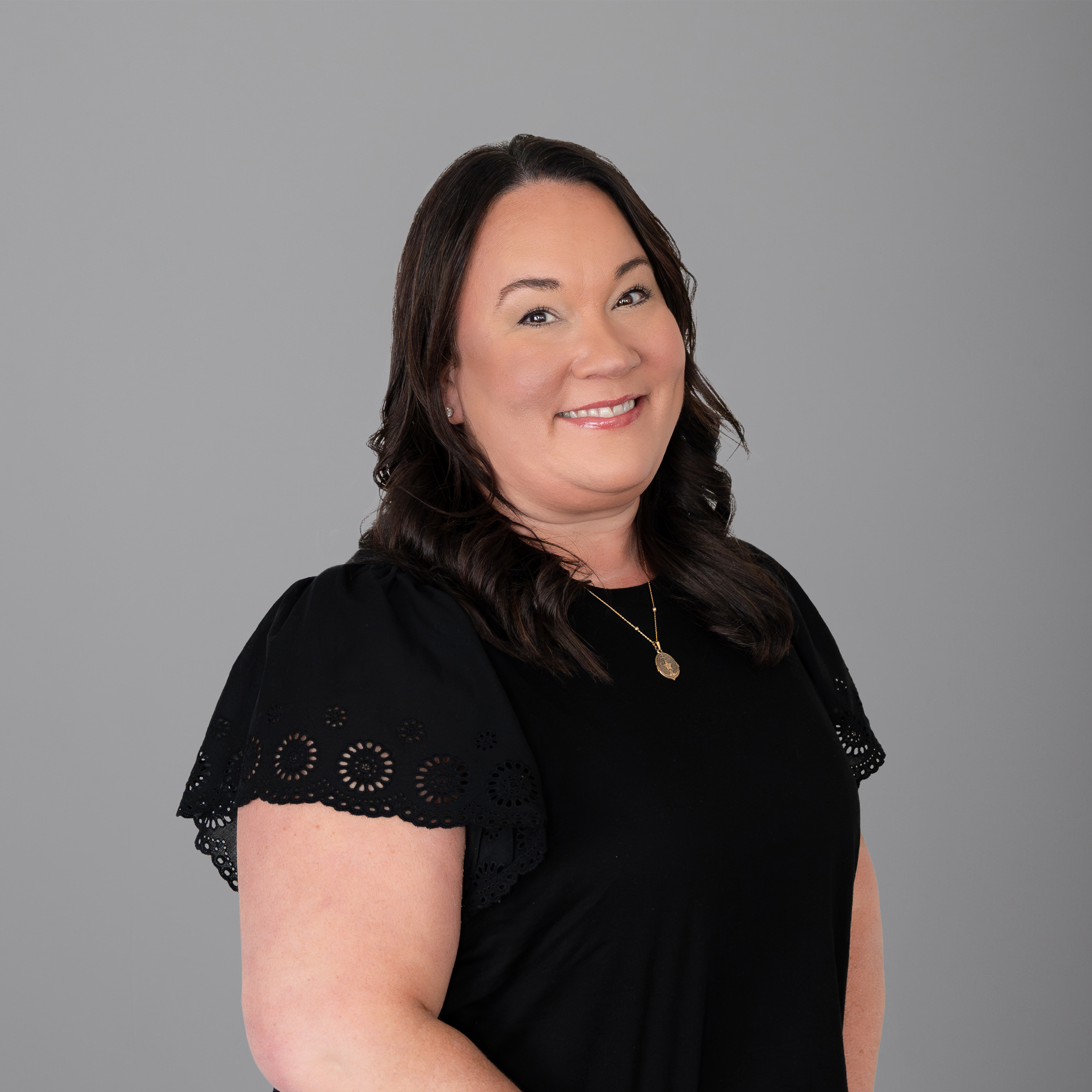 Sherry Pollard
Based at the CMG Bedford and serving the Bedford region and surrounding counties.
Sherry is a longtime Bedford resident and proud mom of two with over ten years of experience in roles focused on a dressing the needs of patients & communities. In her previous role at a Federally Qualified Health Center, she supported underserved communities through health education, outreach and resource connection. Now, she loves being able to serve the very community she calls home. Sherry thrives on creative problem-solving sharing that, “there’s nothing better than that moment when a solution clicks and lightbulbs go off!”
What inspired her to become a community health worker?
When Sherry witnessed firsthand how many people in her own community lacked access to basic health services and support, she knew she wanted to be someone who patients and community members could really trust, someone who listens and connects them to the resources they need so that they can live healthier lives.
What does a typical day look like for Sherry?
Sherry’s schedule varies day by day! Most days at the practice she is connecting patients to community resources that address their identified needs, such as local food pantries, housing programs, etc. in addition to assisting them with completing their applications for things such as Medicaid and SNAP. The clinical staff can pull her for assistance on the spot if they have a patient actively in the office with needs. This allows the patient to receive real-time help with their needs.
When she’s not in the office, you can find her at local community events or health fairs assisting community members with connecting to resources to address their needs as well as educating them on the importance of having a primary care home where they can schedule annual wellness exams and preventive screenings. When she’s working out in the community, she is often networking with other agencies to explore partnership opportunities too. While no two days are the same, her goal–to be a reliable link between the services that help improve lives and those that use them—is the same each day!
What specific challenges does Sherry help patients navigate?
With the Bedford region being so rural, it can be a challenge to access resources for basic needs like food, transportation, housing, specific healthcare services, etc. However, the resources are out there, it’s just a matter of doing the research and being intentional in finding and connecting with them.
“I am able to help patients navigate all the resources that Bedford has to offer from food assistance programs through the local food pantries to SNAP enrollment and addressing transportation needs by sharing with patients services available to them such as the Otter Bus and the routes it takes,” Sherry went on to articulate.
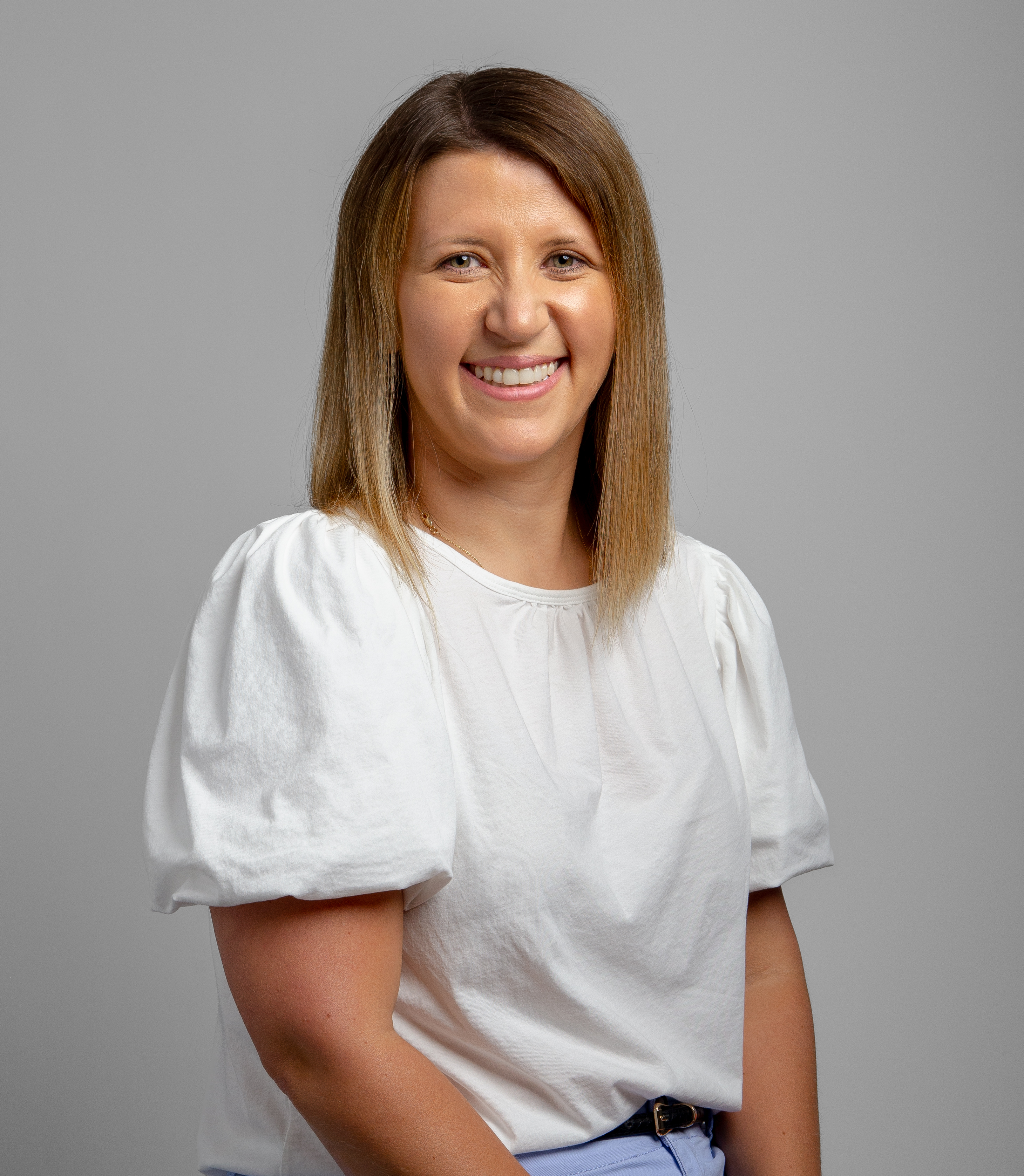 Alex Jack
Based at CMG Brookneal and serving Campbell County, Halifax County, Charlotte County and Pittsylvania County.
Alex was born and raised in Brookneal, VA and still resides there with her husband and daughter. With strong ties to the community, she had the desire to give back and support individuals who may otherwise struggle to access care and resources. “My grandfather, a family physician who helped establish the local doctor’s office, demonstrated through his work how deeply the community and patients mattered. His dedication inspired me to continue his legacy of helping others,” she shared.
What kinds of challenges do patients often face that Alex helps them navigate?
The primary challenges Alex encounters are transportation, housing and access to food. In rural areas, limited
transportation can prevent individuals from attending medical appointments, accessing specialty care, obtaining
food and other essentials. Many don’t realize the significant, negative impact that not addressing these barriers
can have on an individual’s physical health, mental health and well-being.
How does Alex build trust with the patients and families she works with?
“I am a firm believer in active listening, allowing individuals to share their full story without interruption,” explained Alex. “This approach builds trust, ensures I fully understand their needs, and enables me to provide effective, personalized support.”
How does Alex collaborate with other healthcare professionals to support patient care?
At CMG Brookneal, her small office setting allows for personalized, team-based care. She coordinates closely with providers and nurses, addressing patient needs within her scope and communicating additional needs that are beyond her scope to the care team, ensuring comprehensive, high-quality care for every patient.
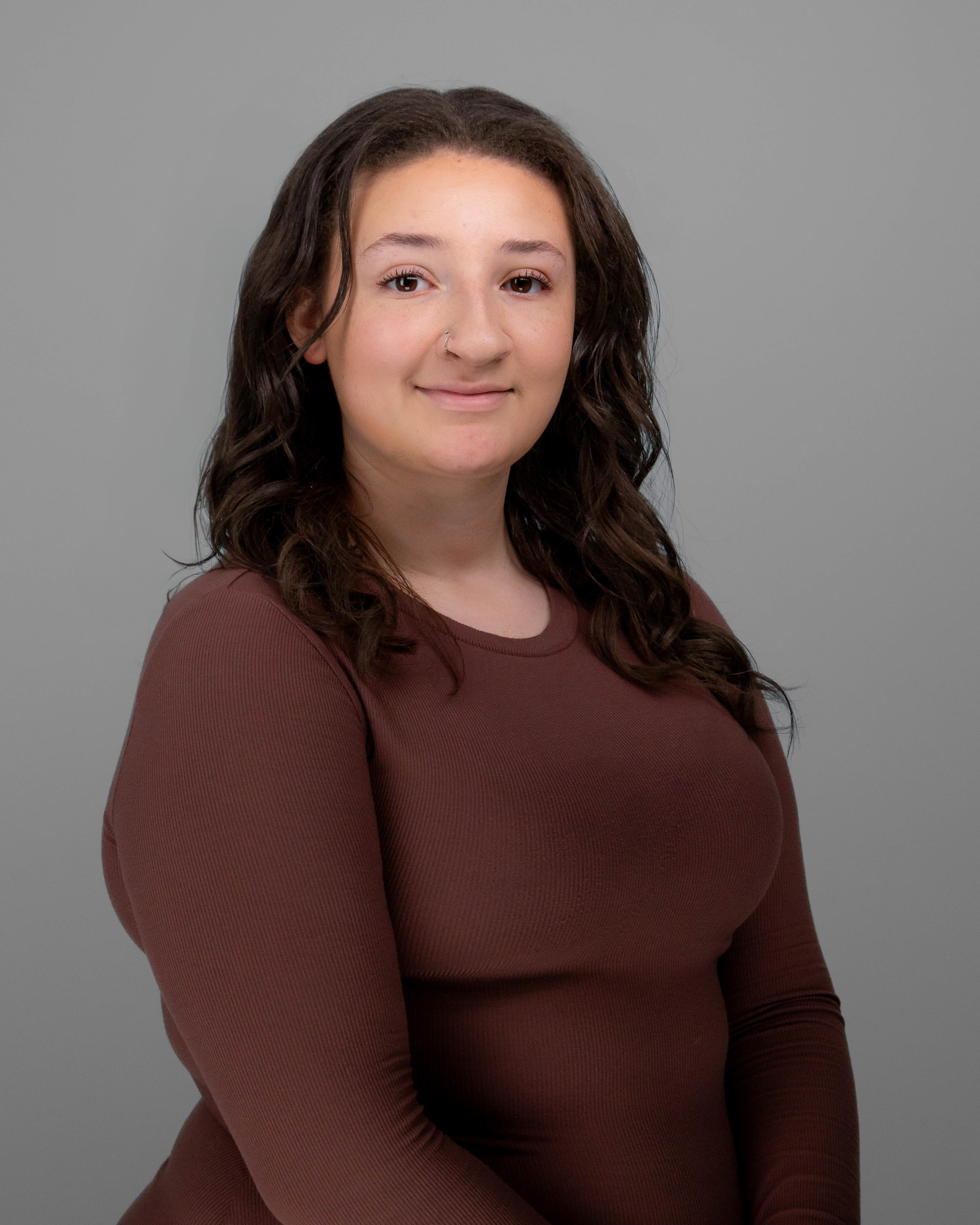 Dominique Crews
Based in Lynchburg with a focus on residents within the 24504 and 24501 zip codes.
Dominique grew up in Lynchburg and also attended college here. With several years of experience working for HumanKind, she is familiar with engaging the community to connect individuals to essential resources and support services. “As a community health worker, I take pride in empowering others to improve their health and well-being, it truly means a lot to me,” she stated.
What kinds of challenges do patients in Dominique’s area of focus often face?
Since a core part of my focus is on addressing the disproportionately high prevalence rate of cardiovascular disease in the 24501 and 24504 zip codes, potential challenges could include limited access to healthy foods, safe spaces for physical activity and affordable healthcare. Medication adherence can be difficult due to cost or complexity, and managing stress or other chronic conditions can further complicate their care. Social and economic barriers such as transportation or lack of support also impact their ability to maintain a heart-healthy lifestyle and follow treatment plans.
What’s an example of how Dominque has helped an individual overcome a health-related barrier?
In a previous role, Dominique successfully supported a client in resolving transportation barriers that were affecting her children's medical appointments along with assisting her in securing stable employment which ultimately enabled her to re-enroll in college and continue her educational goals.
Dominque went on to add, “our communities are really struggling to meet their basic human needs such as access to food, safe housing, transportation, and healthcare. These gaps create barriers to overall well-being and make it difficult for individuals to maintain their health and stability. If a hungry patient does not know where their next meal is going to come from, it is unrealistic to expect them to adhere to a medical plan aimed at addressing their chronic disease. Addressing their fundamental needs first is essential if we want them to achieve their health goals.”
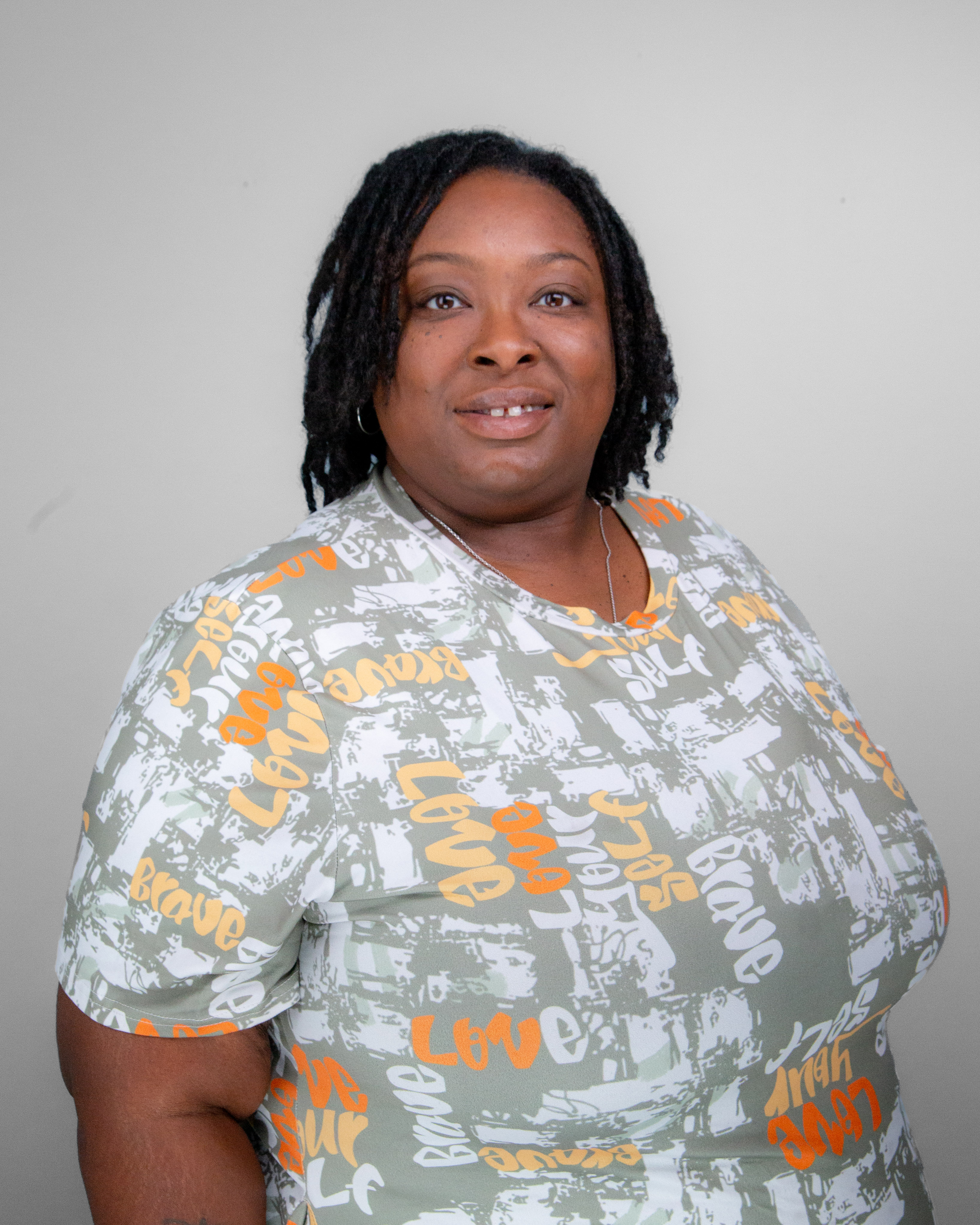 Keisha Randolph
Based at CMG Farmville and serving Prince Edward County and other surrounding
counties.
A lifelong resident of Farmville, VA, Keishia is the oldest of two daughters. Her background includes working with individuals with mental health disorders and mental health skill building, intellectual disabilities, service facilitation and long-term care.
What inspired Keishia to become a community health worker?
In a previous position at a long-term care facility, Keishia was responsible for assisting short stay patients with
discharge goals and resources needed to return to their home environments and be successful. This support
ranged from transportation to appointments, coordinating medical care and connection to a primary care
providers, medical equipment, home health referrals and other community resources. However, there were times
when she would wonder who would support these patients once they were home. When she learned of this
position at Centra, it felt like the answer to that question: an opportunity to assist a broader population with their
specific, ongoing needs to help prevent hospitalization, nursing home or long-term care placements and ensuring
their basic human needs are met.
What’s one thing people might be surprised to learn about Keishia?
“A part of working in community-based roles is that you are required to talk to a lot of people every day and others may think I am extroverted, but I am really an introvert at heart. I fully enjoy my quiet and alone time,” she said.
How would Keishia describe the role of a community health worker in her own words?
She explained that community health workers are people who can be nonjudgmental, show empathy to others, be able to meet individuals where they are, build trust and assist to the best of their ability with obtaining and following up on resources and needs that can lead to a safer and happier home life. In short, they’re a little piece of hope and reassurance.
What kinds of challenges do patients in the Farmville region face?
The Farmville region and surrounding counties are very rural, and this alone presents its challenges. Resources in general are more limited and things such as transportation are hard to access which creates barriers. There is also a larger senior population who do not have access to or full knowledge of the services available to them.
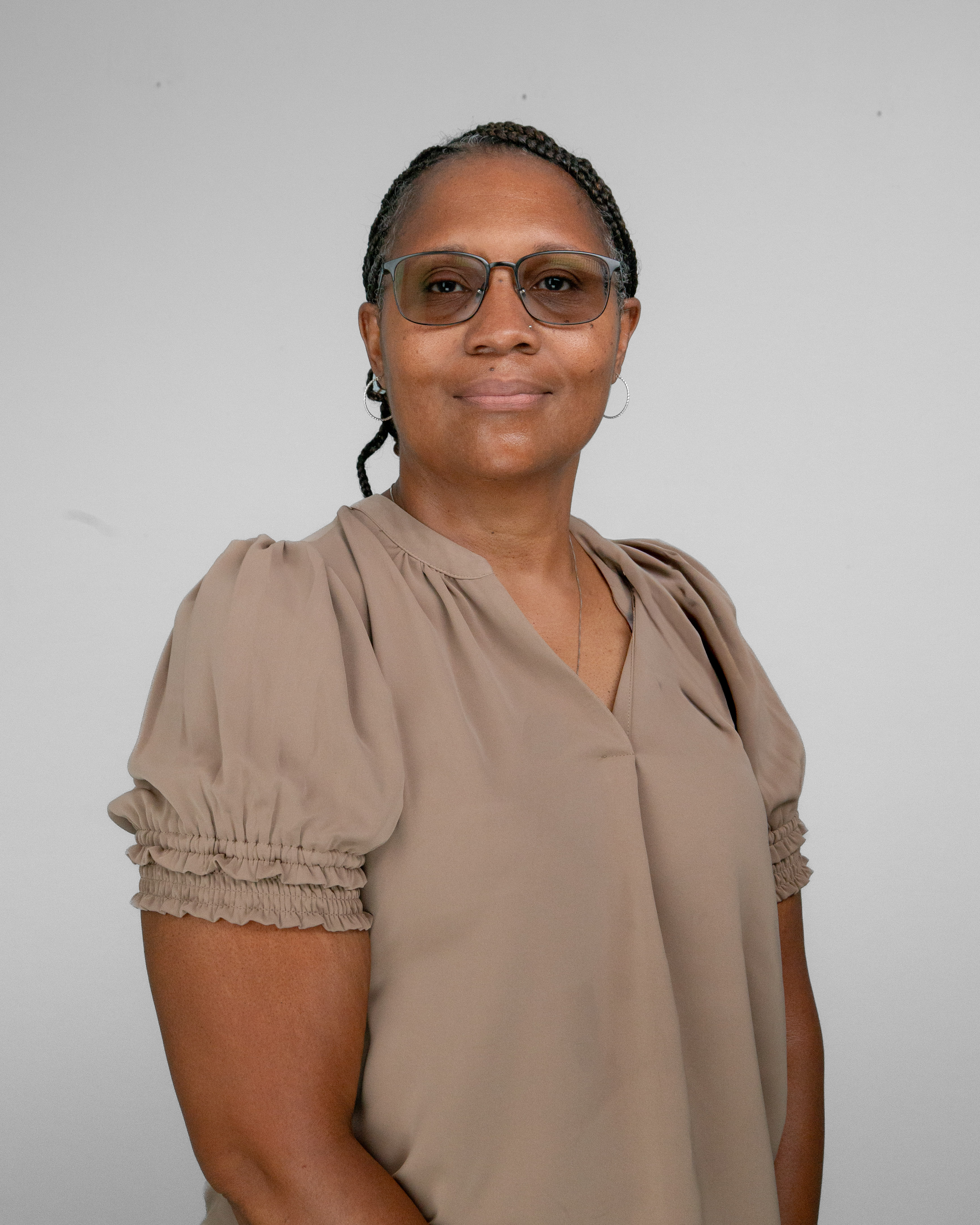 Veronica Ross
Based at CMG Lynchburg Family Medicine Residency Practice and serving the
Lynchburg region.
Veronica has been in the healthcare field since 1995. She started off as a Certified Nursing Aide (CNA) and spent the last 25 years working at UVA’s HIV clinic and the last 10 years as a Certified (CHW) Community Health Worker. As someone who has always been passionate about helping others, her role as a CHW allows her to meet individuals in her own community where they are and provide the support they need.
How does Veronica build trust with the patients and families she works with?
Veronica builds trust by getting to know patients and families on a personal level and showing genuine interest in their lives. “Remembering details about them demonstrates that they matter, while appropriately sharing my own experiences helps create connection and relatability,” she explained. Her approach fosters stronger relationships, encourages open communication and ultimately leads to better engagement in their team-based care.
How has Veronica helped a patient overcome a health-related barrier?
In her previous role, Veronica worked with a patient who was unable to read and, as a result, struggled to understand their doctor’s follow-up instructions for treatment. By identifying this barrier, looping in their provider and ensuring information was communicated at a level they could understand, she was able to bridge the gap between the patient and their care team. As a result, the patient is now successfully receiving the care they need and not missing important appointments.