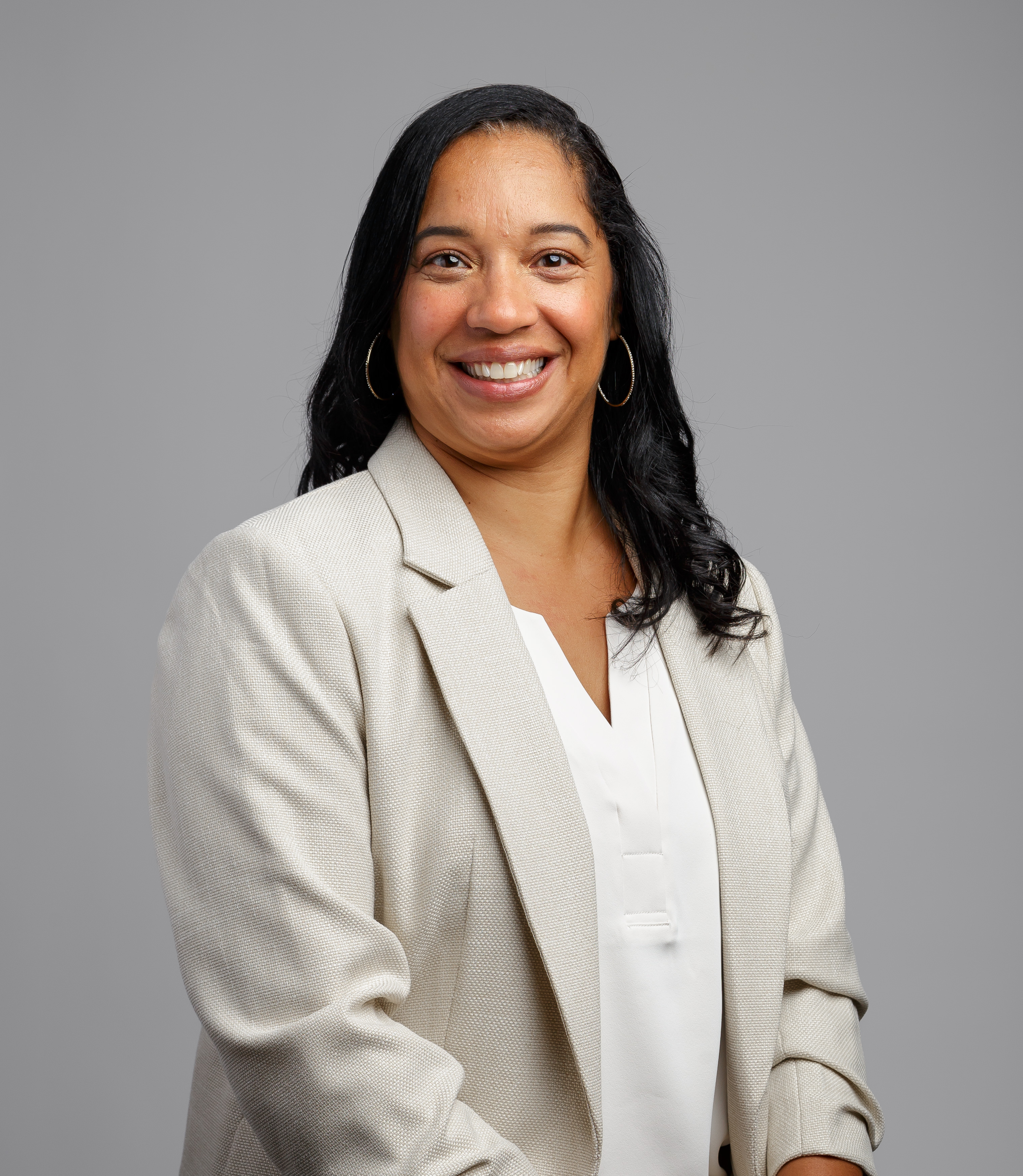
A Conversation with Coral Hunter, Senior Director of Nursing
In honor of Native American Heritage Month, we asked Coral Hunter, Senior Director of Nursing at Centra Lynchburg
General Hospital, to discuss how her heritage and her 23-year journey with Centra has shaped her approach to nursing and leadership.
Can you share a bit about your Native American heritage and what it means to you?
I’m from Mashpee, Massachusetts, and a proud member of the Wampanoag Tribe through my father’s lineage with my mother’s family from the Pequot Tribe in Connecticut. The Wampanoag, known as “the People of the First Light,” have lived along the Atlantic coast for thousands of years, while the Pequot are known for their resilience and diplomacy. My heritage represents family, unity and a spiritual connection to the earth which also guides how I lead and how I care for others.
How has your heritage influenced your approach to patient care?
My background has taught me to see every patient as a whole person—mind, body and spirit. Healing is not just about medicine; it’s also about respect and connection. At Centra, I’ve helped teams understand the meaning behind Native traditions such as eagle feathers, family beadwork and smudging ceremonies. When Caregivers recognize the cultural significance of these practices, it transforms the experience of care for everyone involved.
What values or teachings from your culture have shaped who you are today?
Growing up among Wampanoag tribal members taught me community, humility and respect. We learned our language,
history and traditions from our elders and celebrated the harvest through festivals and storytelling. Our “Three Sisters” planting of corn, beans and squash reminds us to support one another, just as those plants grow together. Those lessons of balance and interdependence have influenced how I lead and serve.
Are there cultural values or perspectives from your background that align with Centra’s mission?
Absolutely! The Wampanoag and Pequot teachings of caring for community, protecting the vulnerable and living in balance directly aligning with Centra’s mission to improve health and quality of life for the communities we serve. Both emphasize compassion, respect and service to others. Every day, I strive to bring those values into my work by creating spaces where care feels human, connected and meaningful.
Have there been moments in your work where your background offered a unique perspective?
Two moments stand out involving patients from the Monacan Indian Nation. One family brought a ceremonial eagle feather to their loved one’s bedside, and another requested a smudging ceremony during an organ donation process. Having cultural insight allowed me to help our teams understand these sacred traditions so we could honor them respectfully. Those experiences reaffirmed how powerful cultural understanding can be in healthcare.
What do you wish more people understood about Native American history?
That our story began long before the arrival of settlers. The Wampanoag welcomed the Pilgrims and shared the knowledge that helped them survive, but what followed was hardship, loss and displacement for indigenous people. While we still believe in giving thanks, gratitude is deeply woven into our culture and the day itself is often one of reflection and remembrance. For many, it’s a time to honor our ancestors, acknowledge the true history, and celebrate the endurance of Native people who continue to thrive today. I encourage everyone to seek authentic Native voices, visit tribal museums and listen to our stories. Understanding begins with truth.
What do you find most rewarding about your work in healthcare?
What I find most rewarding is making a difference in someone’s life or health experience. In healthcare, we have the honor of walking beside people through their most vulnerable and meaningful moments both their lowest and highest. To offer support, healing and hope during those times is one of the greatest privileges of my life.
What message would you share this Native American Heritage Month?
I’m proud of where I come from and grateful to share my story. I hope it inspires others to explore their own roots and appreciate the beauty of cultural diversity. When we honor each other’s stories, we all grow stronger together.