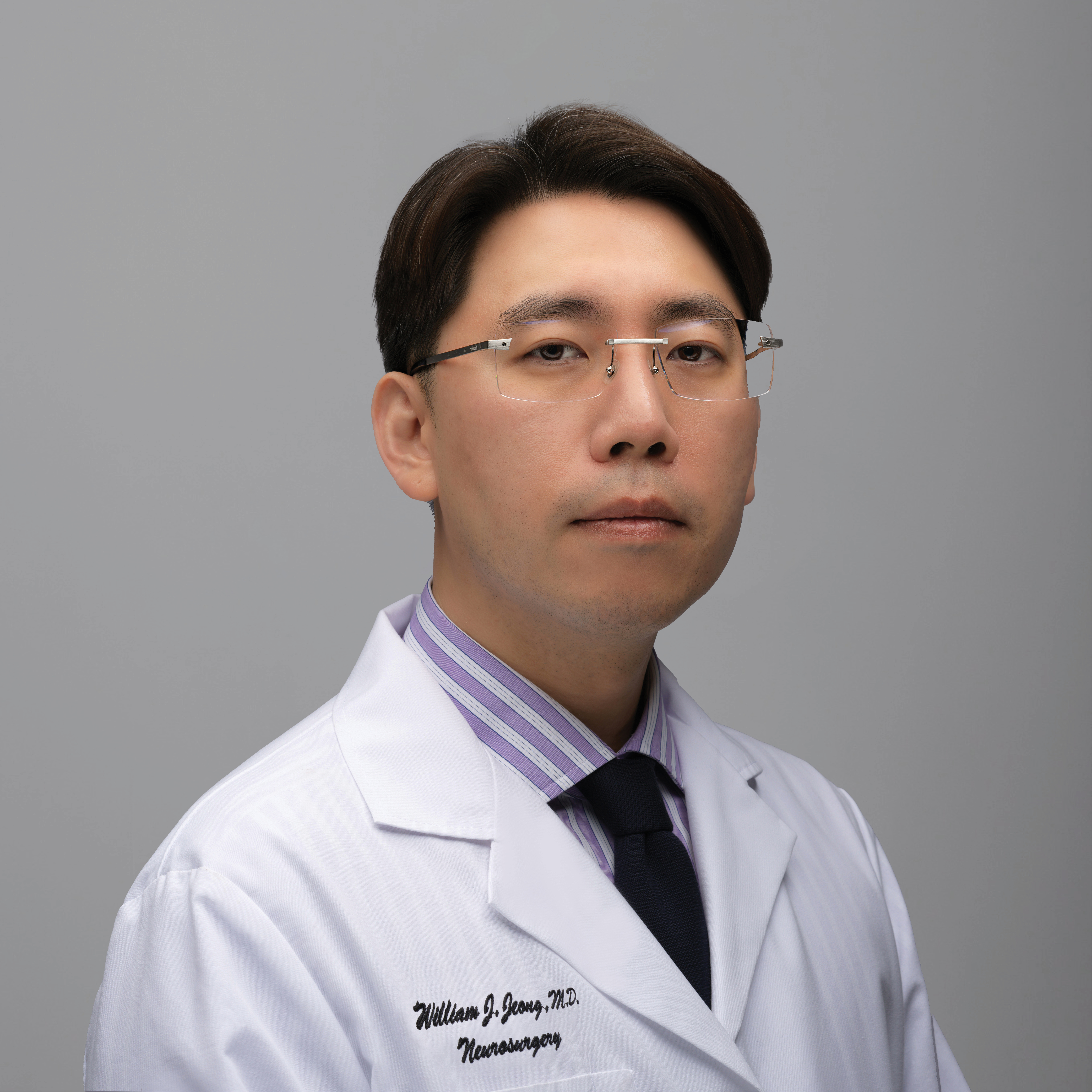
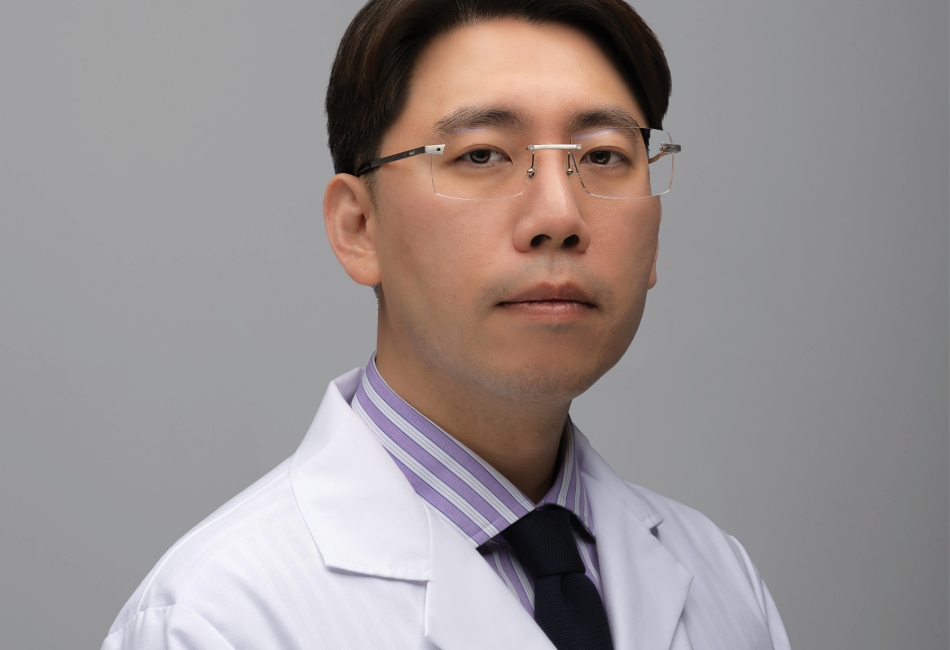
Dr. William Jeong has trained and practiced across the country, gaining experiences that have shaped both his clinical expertise and leadership approach. Drawn to neurosurgery by a fascination with neuroscience and anatomy and a desire to make a direct difference in patients’ lives, he credits influential mentors and formative experiences at each stage of his career for guiding his path.
Today, as a neurosurgeon and medical director of neurosurgery at Centra, he is building a high-quality neurosurgical program designed to bring advanced care close to home that is grounded in precision, compassion and a commitment to the community. Keep reading to learn more about his approach to patient care, his vision for neurosurgery at Centra and the values that guide him as a physician and leader.
You have trained and practiced across the country from Georgetown to Cincinnati to Las Vegas. What experiences have most shaped the neurosurgeon and leader you are today?
I was drawn to neurosurgery because I loved neuroscience and anatomy, and I wanted to make a direct difference in
patients’ lives.
Each stage of my training shaped me in important ways. Georgetown grounded me in neuroscience and the values of professionalism and compassion while my residency with UC Health and the Mayfield group exposed me to complex cases and high expectations for precision and clinical discipline. This training taught me to be extremely thorough in evaluation and to make decisions based on careful diagnosis. I learned the importance of identifying the true pain generator and using surgery only when it is clearly the best option. That foundation guides how I approach every patient, especially those with complex spine conditions.
My work in Las Vegas as a medical director strengthened my leadership skills and taught me how to build programs and improve quality. Together these experiences shaped how I care for patients and how I lead teams, and ultimately, they led me to this role at Centra where I can help build something meaningful for the community.
What motivated you to join Centra as a medical director and neurosurgeon, and how does this role build on your previous leadership at Dignity Health?
I joined Centra because I saw an opportunity to make a meaningful impact. The community needed both a neurosurgeon and a medical director, and I felt my background was a strong fit. My leadership at Dignity Health taught me how to strengthen systems, improve outcomes, and support clinical teams. I am building on that work here by helping shape a high-quality neurosurgical program.
When patients see you at CMG Neurosurgery, what can they expect from your approach to evaluation, communication and care?
Patients can expect a detailed and thoughtful evaluation. I focus heavily on history and physical examination to make sure we understand the problem clearly. I emphasize conservative treatment when appropriate and pursue surgery only when I believe it will truly improve quality of life. I communicate openly and want patients to feel informed and supported throughout their care.
I focus on clear, simple explanations and avoid unnecessary terminology. I break conditions down into understandable components and explain why a particular treatment is recommended. I take as much time as needed to answer questions because confidence comes from understanding and from feeling heard.
What is your vision for neurological care at Centra, and what opportunities do you see to strengthen or expand services for our community?
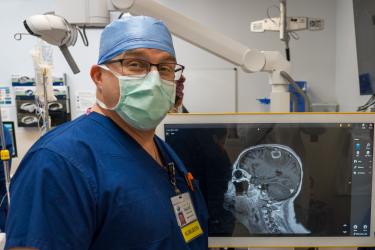
My vision is for Centra to offer neurological care that compares with any center in the country. I see opportunities to expand minimally invasive spine surgery, introduce new technology and develop stronger multidisciplinary pathways. There is significant potential to raise the level of care available close to home. I am excited to expand minimally invasive techniques and introduce robotics and endoscopic technology. We started using computer-assisted navigation for spine instrumentation this year, and I see many opportunities to continue bringing advanced tools that improve accuracy and outcomes.
What values guide you as a physician and leader, and how do they shape your relationships with patients and colleagues?
I believe in being a good person before being a good doctor. Compassion, respect, and humility guide how I interact with patients and colleagues. These values keep me focused on why I entered medicine and they shape every relationship in the clinical environment.
What is one piece of advice you have never forgotten?
A mentor once told me to never forget why I started. Remembering the original purpose of helping people keeps me grounded and focused. I am truly honored to serve this community. My goal is to build a neurosurgical program that delivers the highest level of care while preserving compassion and trust. I am grateful for the opportunity to help shape that future.