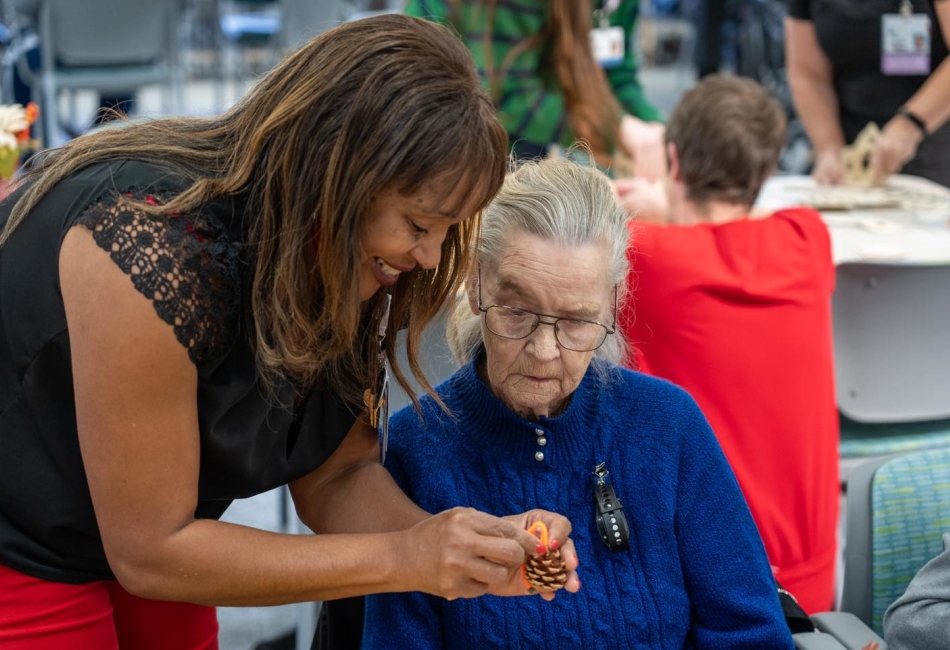
A Community Built on Kindness
We spot PACE buses traveling through our community every day, yet many people may not fully understand what PACE is, who it serves or the impact it has. Behind every PACE bus and facility is a dedicated team of transportation drivers, activity coordinators, Caregivers and social workers, each working together to foster a culture of compassion, connection and kindness for every participant.
PACE which stands for Program of All-Inclusive Care for the Elderly helps adults ages 55 and older live safely and independently at home through coordinated, team-based care. But what does this look like day to day? It goes far beyond providing transportation to and from the PACE center for activities and medical appointments. PACE also emphasizes meaningful community outreach and strong connections to local resources. Time and time again, we hear stories of PACE Caregivers going above and beyond—working behind the scenes to support participants in ways that truly make a difference every day.
Community-Centered Collaboration
Often, individuals are referred to PACE through social services or the emergency department. PACE community outreach specialist Janaye Wagner reflected on a recent case in which a participant was referred to PACE due to concerns about social isolation and loneliness.
As part of her role, Janaye conducts in home visits with referred participants to establish eligibility and connect them with community resources. During her visit, she noticed that the stairs leading into the participant’s home were unsafe and that the participant did not have a phone which left them without a way to call for help in an emergency. As the visit continued, Janaye also discovered that the participant was experiencing food insecurity and struggling to keep up with utility bills during the extreme cold of the winter months.

Following the visit, Janaye partnered with Adult Protective Services and quickly connected the participant to critical community resources. This included coordinating with their landlord to repair unsafe stairs, securing a phone for emergencies, obtaining access to food and benefits along with organizing transportation and utility assistance so the participant could remain safely at home.
All of this work took place within just a few weeks, allowing the participant to successfully enroll in PACE, remain safely at home and become connected to a supportive environment where they could thrive.
“I live in this community, and I want to help the people in my community—especially the most vulnerable populations who are often overlooked, like seniors,” Janaye said. “I want to advocate for folks, so they have the ability to thrive.”
Ashley Shelton, director of growth and intake for PACE, shared that Janaye didn’t have to do any of this, but she chose to go above and beyond to care for someone in need. While grateful for the recognition, Janaye credits the strong partnerships between PACE social workers and community organizations for making this meaningful work possible.
Service Above Self
A key service of PACE is transportation, bringing participants to and from the PACE center, delivering medications, supplies and taking them to medical appointments.
“We are usually the first people our participants see in the morning and the last they see at night,” said Bill Moiczek, Farmville PACE supervisor of ground transport. “Our drivers build strong relationships and are often the first to notice when something doesn’t seem right or when someone needs help.”
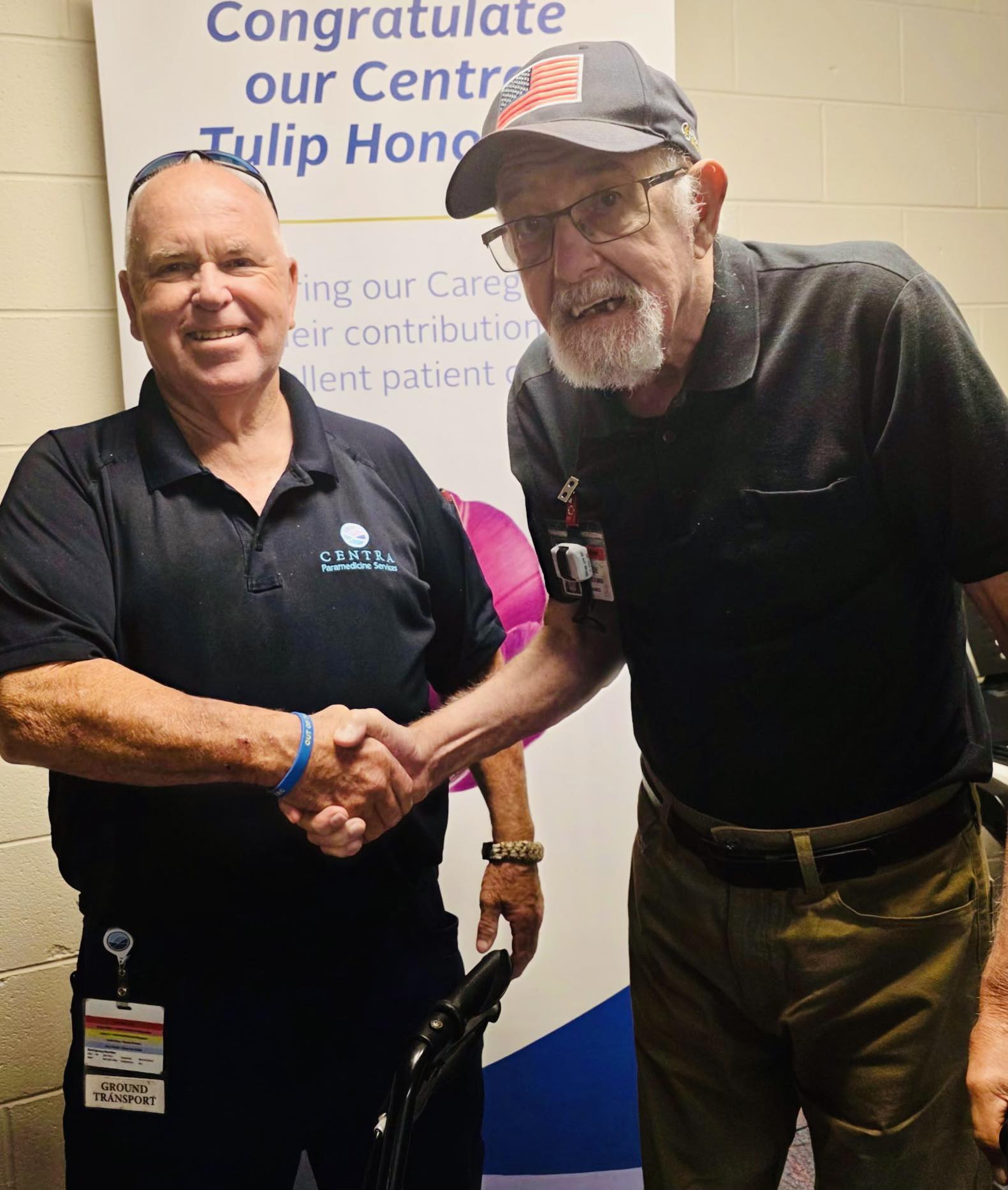
Bill shared a recent example of Farmville PACE transportation driver Larry Willson, who received a Tulip Award after noticing a participant’s overgrown yard. The next day, Larry returned with his mower and cut the grass himself. Acts of service like these, Bill noted, reflect the dedication of PACE drivers, who often go above and beyond, even on their days off.
A Family Atmosphere
When talking with PACE participants and Caregivers, one word is mentioned repeatedly—family. Brenda Kirkland, PACE master social worker, and Sharon Paige, PACE activities coordinator, help foster this sense of connection every day.
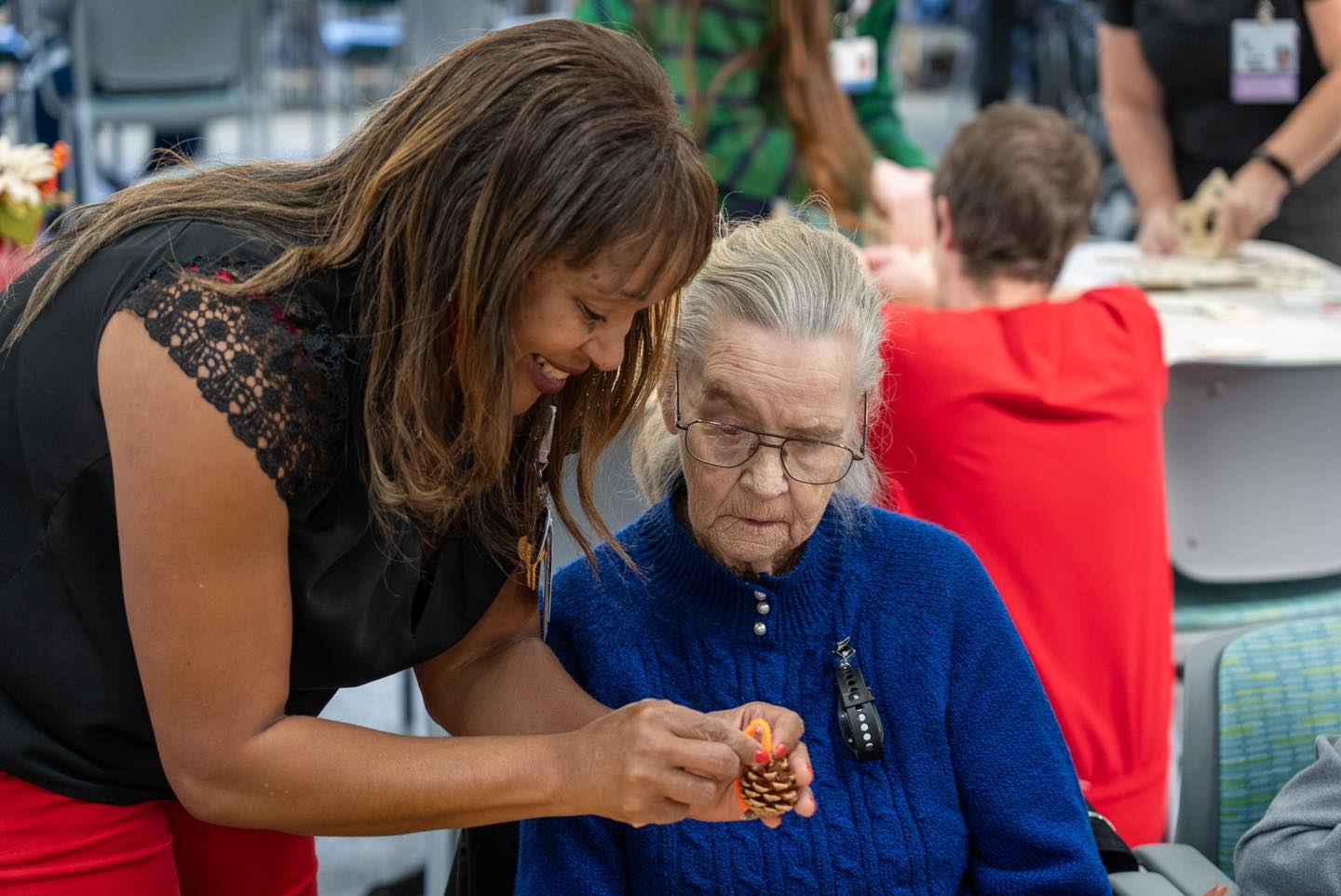
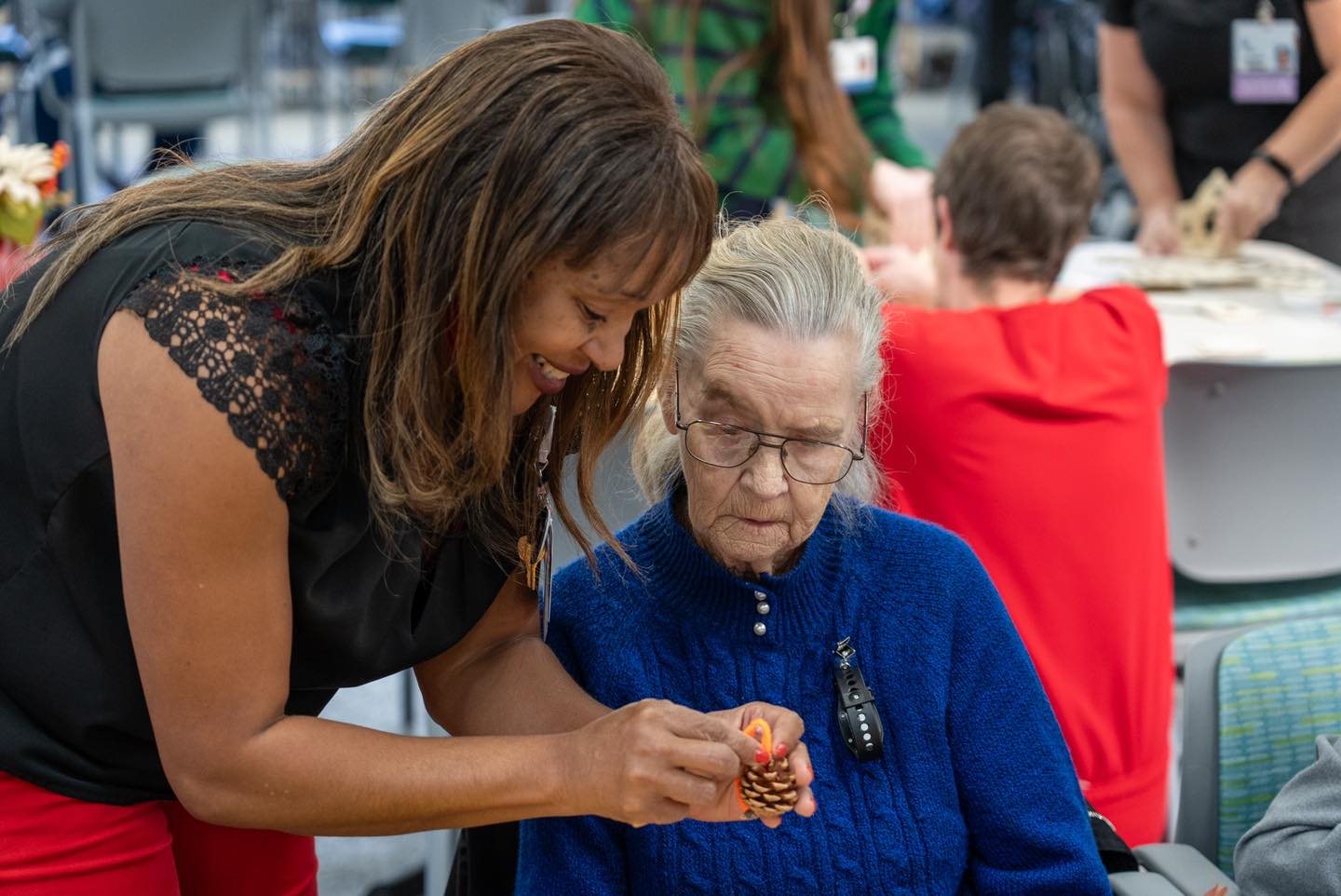
Through activities and community engagement, they create opportunities for participants to stay active and connected from picnics and restaurant outings to special events like Thanksgiving meals, weddings and prom nights.
“Participants may come in quiet and reserved, but once they build connections with Caregivers and others, they truly come out of their shells,” Sharon shared.
“We are their family,” Brenda added. “Many don’t have family nearby, so we work to create that sense of belonging here at PACE.”
Together, these everyday acts of compassion show that PACE is more than a program. It is a community built on kindness, connection and care.