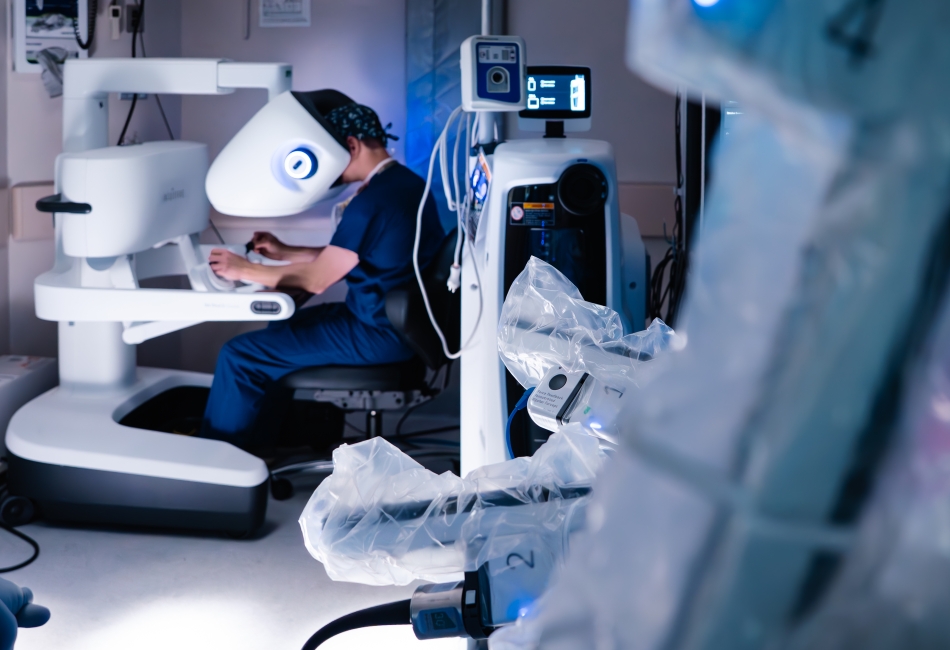
Centra and the Centra Foundation's continued investment in robotic surgery reflects a broader commitment to innovation, quality and access to advanced care close to home. That commitment was recently recognized on a national level through selection by Intuitive, a biotechnology company that manufactures robotic medical devices, to participate in a national demonstration. The selection highlights the strength and momentum of Centra’s robotics program.
Centra surgeon, Dr. Brian Charnock shared, “Being selected by Intuitive for a national demonstration is both an honor and a validation of the work we’ve done to build a high-quality, forward-thinking robotics program.” He added that it reflects not only personal commitment, but a broader organizational achievement. “For Centra, it signals that we are not just keeping pace with leading institutions, we’re helping define what modern surgical care looks like,” Charnock said.
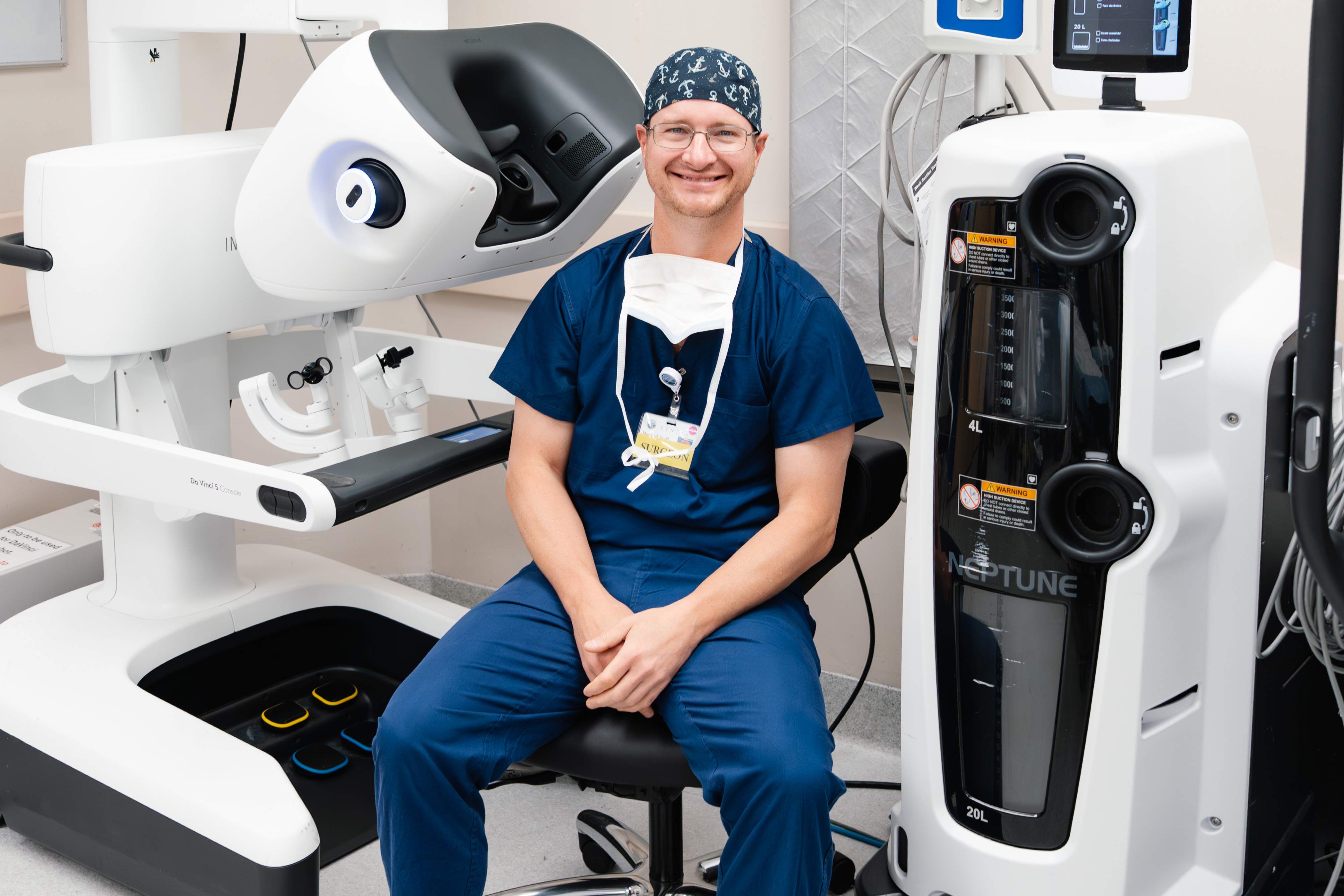
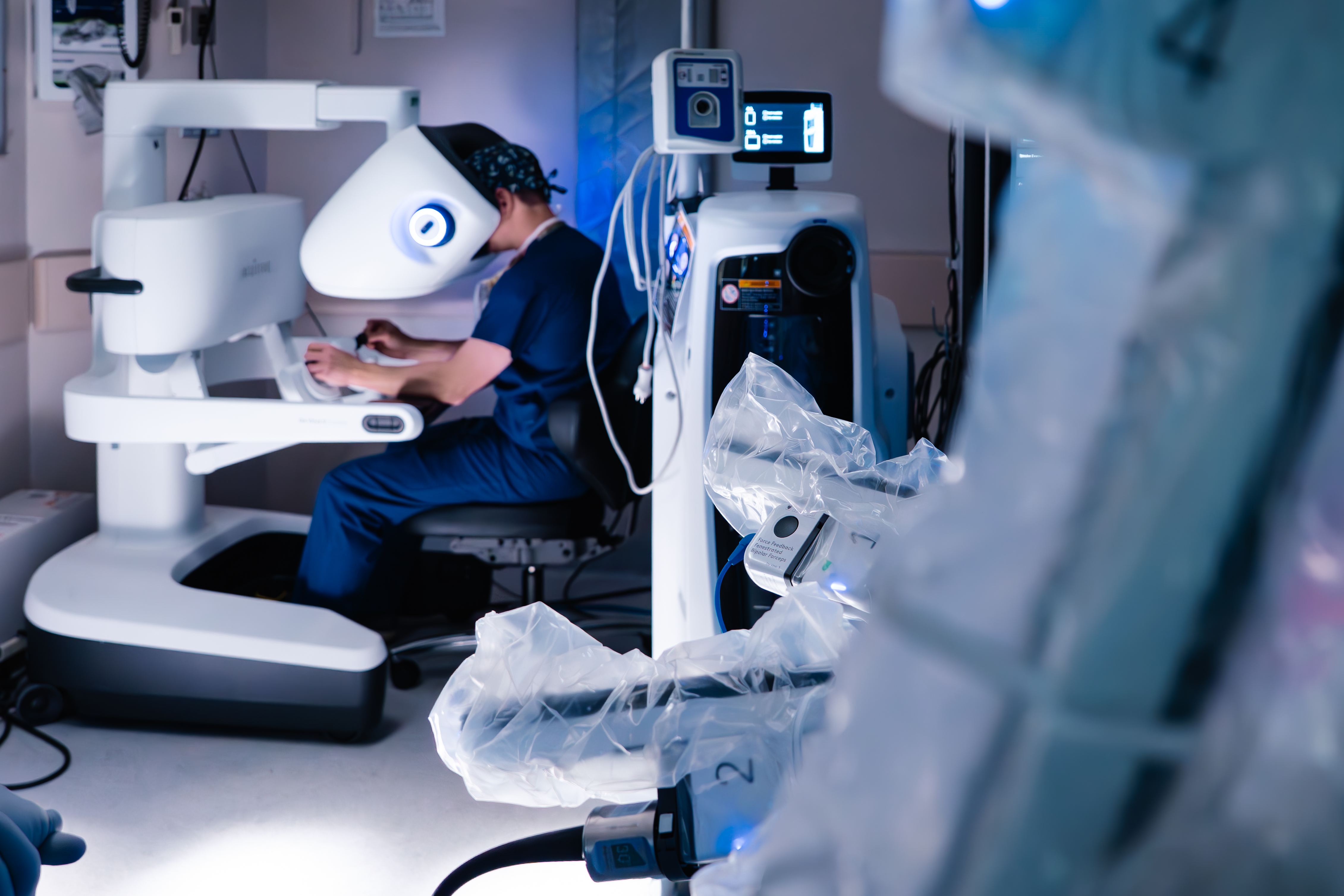
At the center of this progress is the da Vinci Surgical System, which has already transformed the way many procedures are performed. By enhancing precision, visualization and control, robotic-assisted surgery allows for a level of consistency and accuracy that benefits both surgeons and patients. When paired with telepresence tools such as the Intuitive Hub, surgeons can connect and collaborate across distances in real time.
“Now, expertise can be shared instantly,” Dr. Charnock explained. “Surgeons can collaborate, teach and even receive guidance during complex procedures without geographic limitations.”
That connectivity is already making a measurable impact in the operating room. Through remote proctoring, surgeons can receive immediate feedback during procedures, strengthening decision-making and reinforcing best practices in the moment.
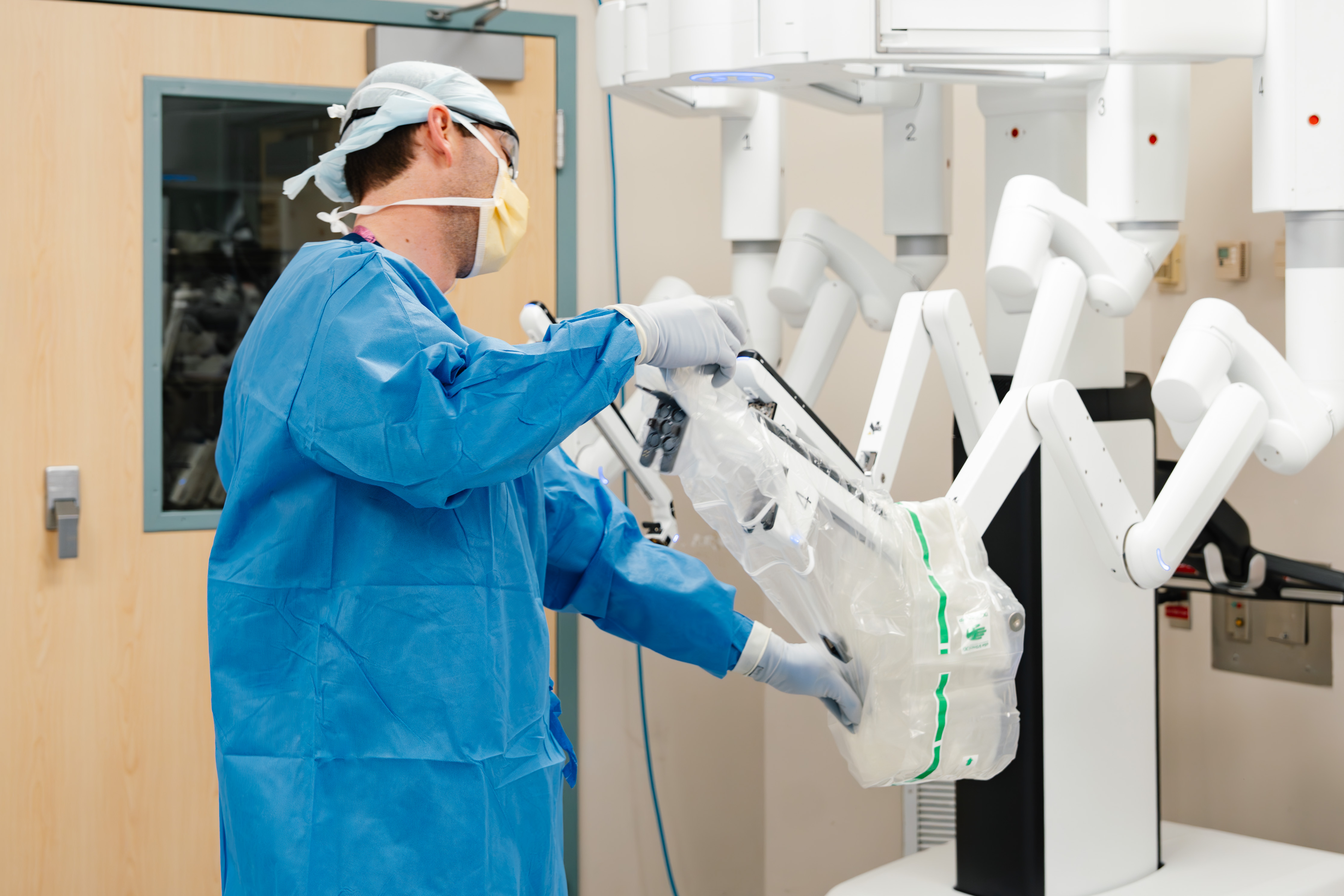
“Remote proctoring allows for immediate, real-time feedback from experienced surgeons, which can be invaluable, especially during complex or nuanced portions of a case,” he said. “Personally, it increased my efficiency so much that I can do twice as many cases per day as I could prior to remote proctoring and perform them with more consistent results too.”
Even in a demonstration setting using tissue models, the technology and techniques on display closely mirror real-world care. “The techniques, decision-making and technology on display are exactly what we use in the operating room every day,” Dr. Charnock noted. These benefits include smaller incisions, reduced pain, quicker recoveries and improved outcomes. These are clear examples of how innovation is already shaping the patient experience at Centra.
The strength of the program is further reflected in its role as a case observation site and in the leadership of surgeons who proctor and teach peers. “Becoming a case observation site means other surgeons and institutions recognize the quality, consistency and volume of our work,” Dr. Charnock said. These distinctions highlight not only growth in volume, but also a rising reputation for excellence and influence across the surgical community.
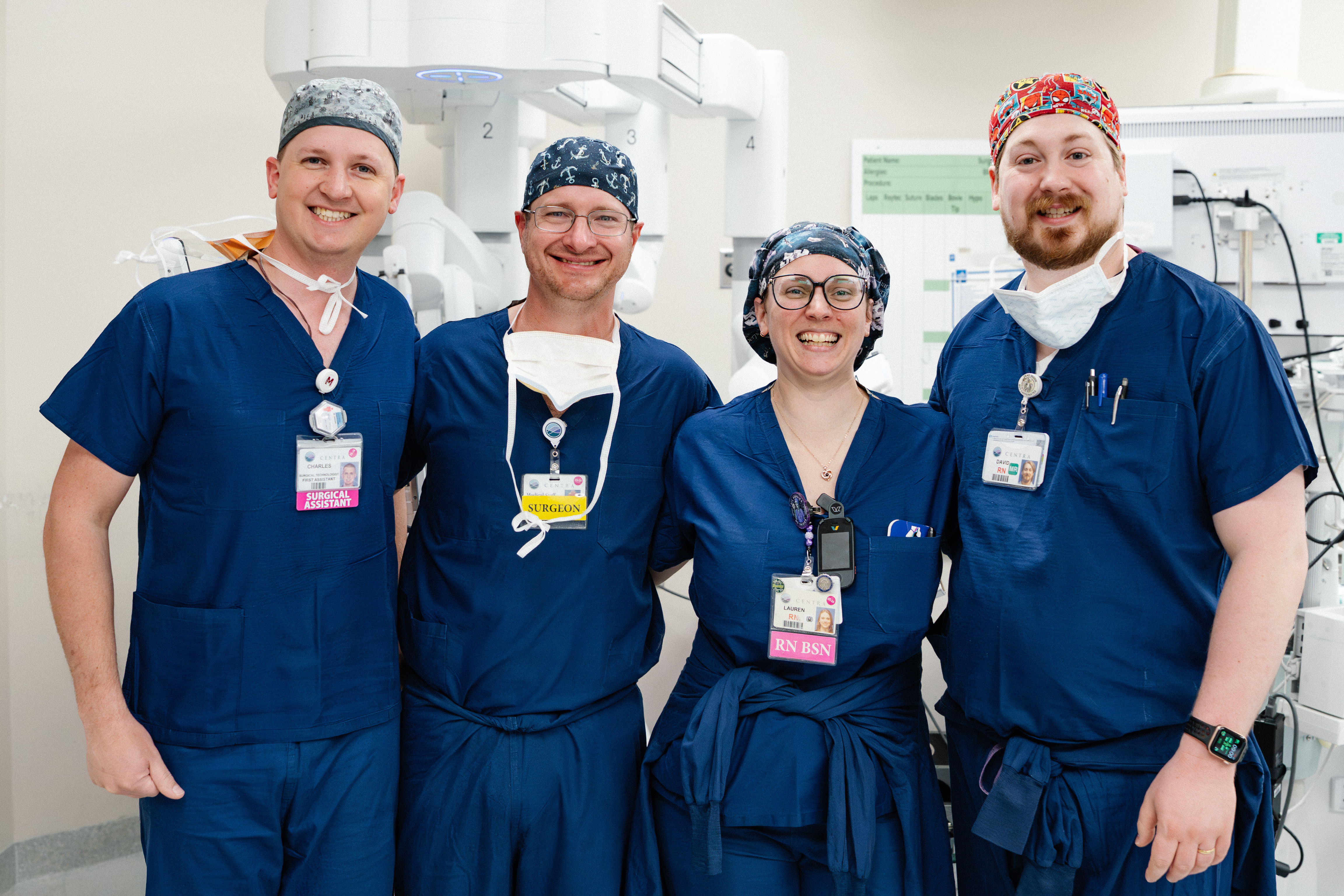
That growth is driven not only by technology, but by the people behind it. Robotic surgery is inherently collaborative, relying on the coordination and expertise of an entire surgical team. “Robotic surgery is a team sport. Scrub techs, circulating nurses, anesthesia providers and bedside assistants all play critical roles,” he emphasized. Their shared experience ensures that innovation consistently translates into high-quality, safe care.
Participation in national forums also provides an opportunity to share a broader message about what community-based healthcare systems can achieve. “Advanced surgical care doesn’t have to be limited to large academic centers,” Dr. Charnock said. “With the right investment in technology, training and teamwork, community health systems can deliver cutting-edge care and even help lead innovation.” This visibility also strengthens Centra’s ability to recruit physicians and clinical talent drawn to collaborative, forward-thinking environments.
Looking ahead, the evolution of robotic surgery shows no signs of slowing. “Robotic surgery will continue to become more integrated with advanced imaging, data analytics and artificial intelligence,” Dr. Charnock noted, pointing to a future of increasingly personalized and efficient care. For patients, that means safer procedures and faster recoveries, while the community continues to benefit from access to advanced care close to home.
The newest addition to the robotics program, the da Vinci 5 Surgical System, was made possible by an over $2.5 million commitment from the Centra Foundation. This is the third da Vinci Surgical System the Foundation has supported since 2022.