Dr. Nitish Kumar Shares More about This Important Service
During Stroke Awareness Month, conversations often center around prevention, recognizing warning signs and the importance of acting quickly in an emergency. At Centra, those conversations also shine a light on the advanced stroke care available close to home through neuroendovascular surgery. This is a highly specialized service that is transforming outcomes for patients experiencing some of the most complex neurological emergencies.
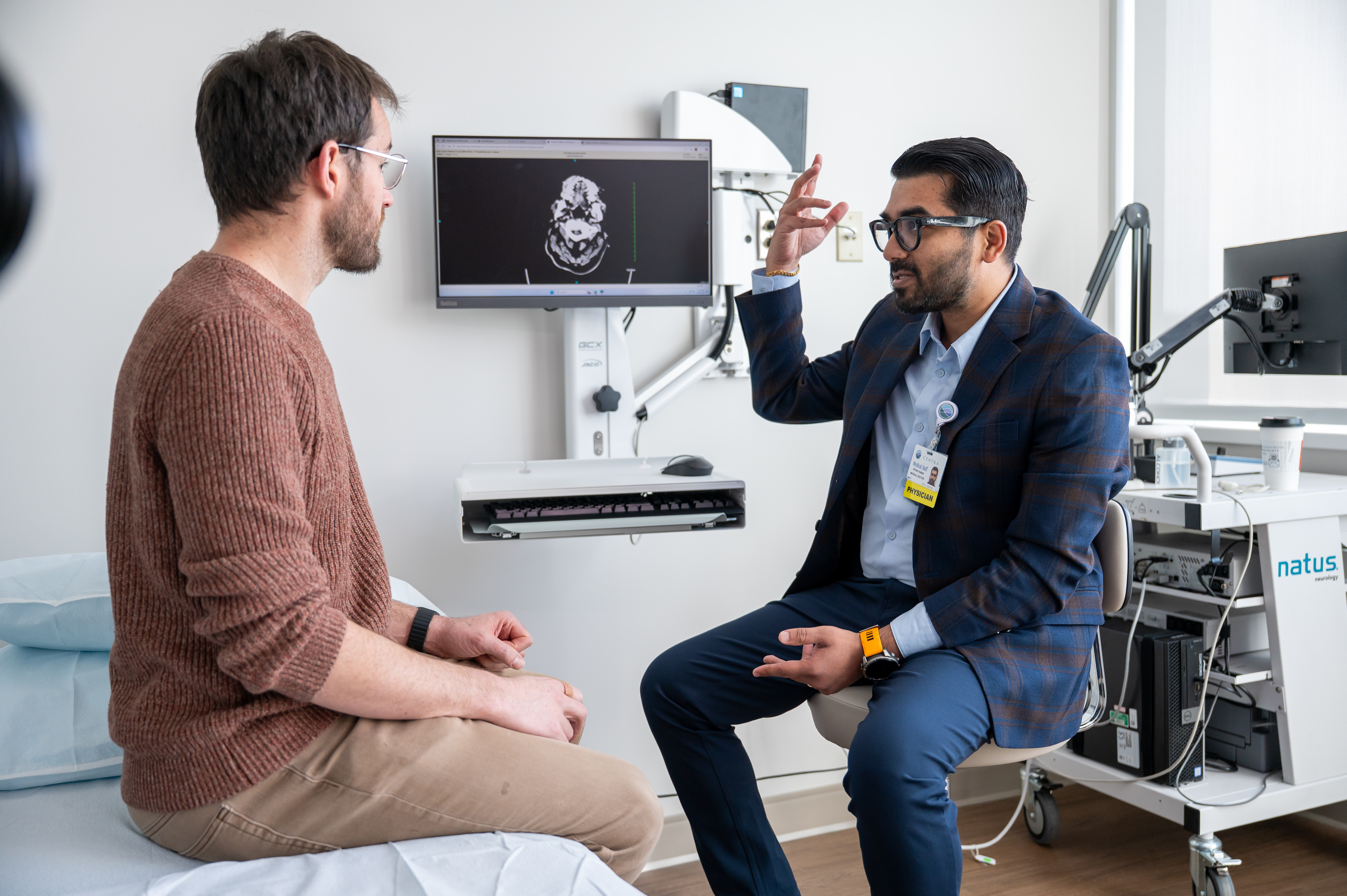
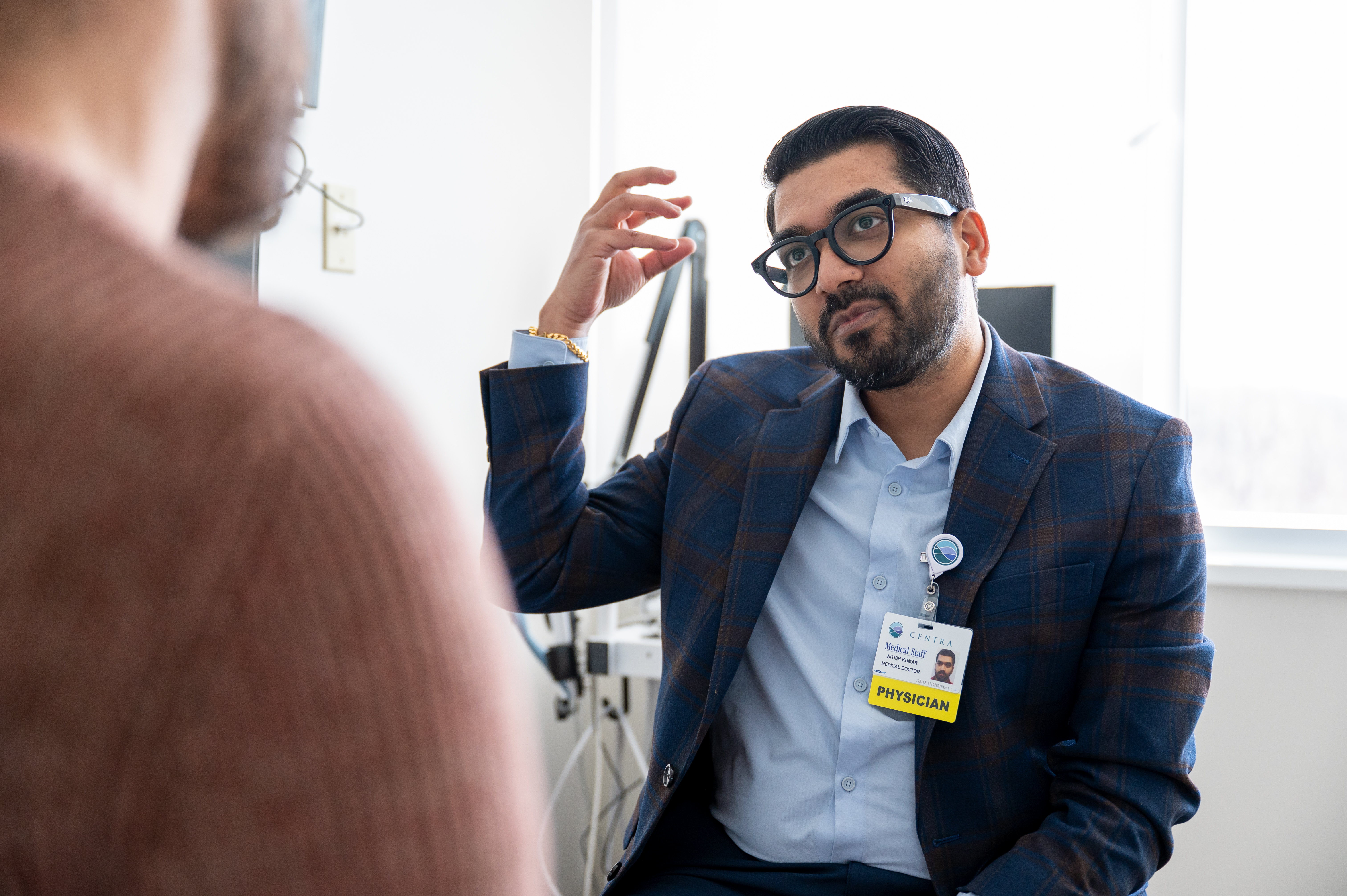
Dr. Nitish Kumar, Medical Director of Neuroendovascular Surgery at Centra, describes the specialty as a minimally invasive approach to treating conditions affecting the brain and spinal cord through the blood vessels. “Rather than requiring open surgery, neuroendovascular procedures are performed by threading thin, flexible catheters through blood vessels typically accessed through a small puncture in the wrist or groin to reach the affected area in the brain or spine,” he explained.
The specialty treats a wide range of serious neurological conditions, including ischemic stroke caused by blood clots blocking arteries in the brain, hemorrhagic stroke caused by ruptured blood vessels, brain aneurysms, arteriovenous malformations (AVMs), carotid artery stenosis and intracranial atherosclerotic disease. By using advanced imaging technology and catheter-based techniques, physicians can often achieve outcomes comparable or superior to traditional open surgery while reducing recovery times and lowering procedural risk.
For stroke patients in particular, neuroendovascular surgery has become one of the most important advances in modern medicine. Strokes remain one of the leading causes of death and long-term disability in the United States, and the speed of treatment can dramatically impact recovery.
“Neuroendovascular surgery plays a critical role in preventing strokes,” Dr. Kumar stated. “Procedures such as carotid artery stenting and cerebral angiography vascular interventions treat plaque buildup or narrowing of arteries in high-risk individuals. In this way, the field addresses both the acute emergency of a stroke and the long-term prevention of recurrent events.”
For patients experiencing a large vessel occlusion (LVO) stroke where a major artery supplying blood to the brain becomes blocked, neuroendovascular intervention is often the most effective treatment available. Using specialized devices guided through a catheter, physicians can physically remove the clot and restore blood flow to the brain. The procedure, known as a mechanical thrombectomy, has fundamentally changed stroke care by improving survival rates and reducing long-term disability when performed quickly.
That urgency is reflected in one of the most recognized phrases in stroke medicine: “time is brain.”
“The phrase ‘time is brain’ captures one of the most urgent realities in all of medicine. During a stroke, brain tissue begin dying by the second,” Dr. Kumar explained. “When a blood clot blocks a cerebral artery, the brain is deprived of oxygen and nutrients. Nearly two million neurons can die each minute that blood flow is not restored.”
The faster treatment begins, the greater the likelihood that patients can avoid permanent disability and return to their normal lives. This is why rapid stroke recognition, immediate emergency response and access to advanced stroke care are so critical in communities across central Virginia.
The development of Neuroendovascular Surgery services at Centra reflects a commitment to ensuring patients have access to advanced stroke care without needing to travel far from home. Through modern technology, highly specialized expertise and coordinated emergency response, the program provides life-saving intervention when minutes matter most.
During Stroke Awareness Month, Dr. Kumar hopes patients and families understand not only the warning signs of stroke, but also the importance of seeking emergency care immediately. The combination of rapid recognition, advanced intervention and comprehensive follow-up care improve outcomes for stroke patients, offering hope, recovery and in many cases, a second chance at life.